Abstract
From a disused power station to more than 70 city routes, the Barcelona congress moved climate, housing and circular construction from forum topics into the field.
Background
From 28 June to 2 July, the UIA World Congress of Architects returned to Barcelona after 30 years and made the city’s most important architectural public issues visible in July. Under the theme “Becoming”, the programme was expected to bring together about 10,000 participants, 250 speakers and more than 100 sessions from around 130 countries. A central exhibition occupied roughly 4,000 square metres, with over 70 routes through the city. Post-event figures recorded about 20,000 visits to the exhibition and around 50,000 attendances across related activities.
Design Analysis
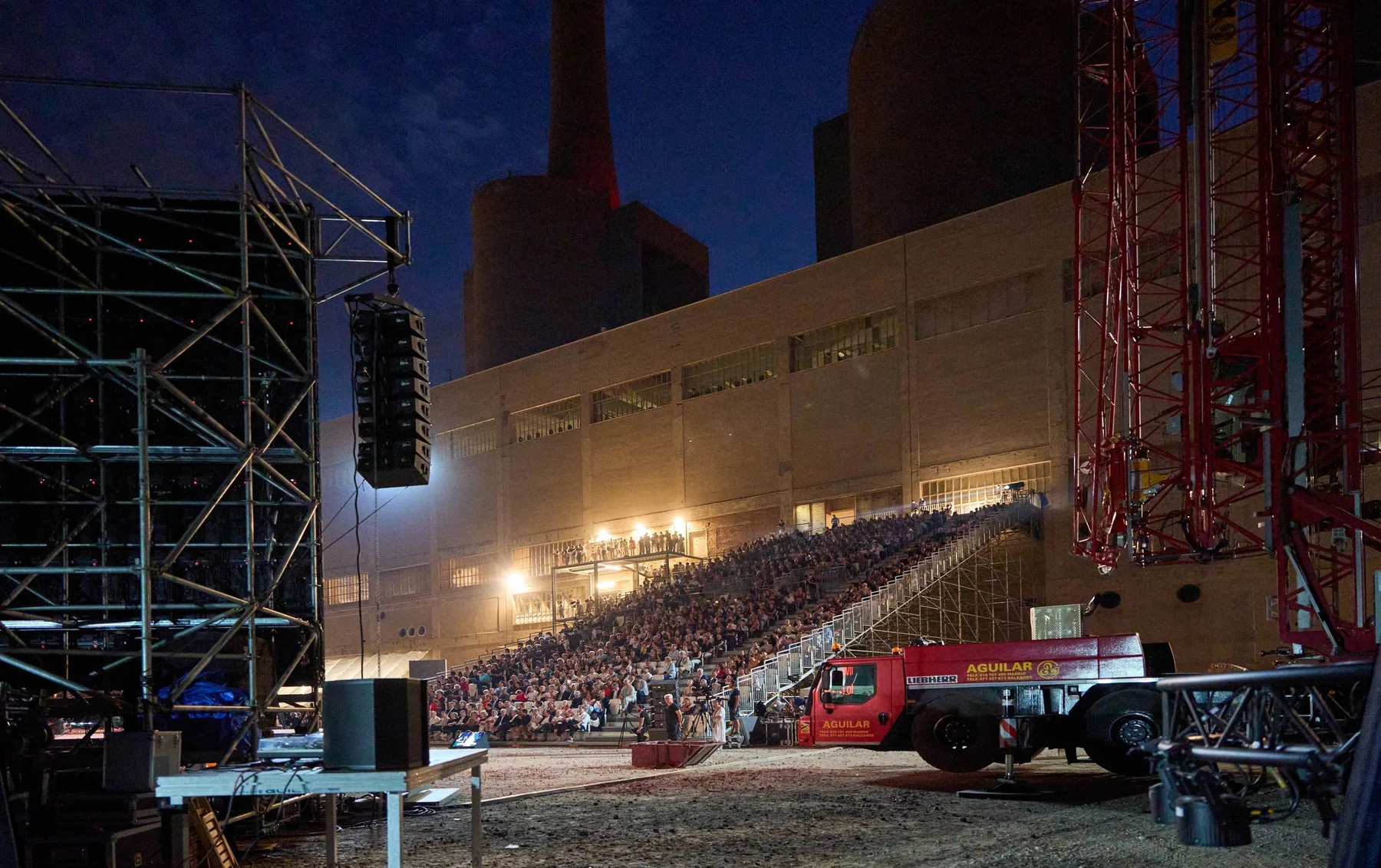
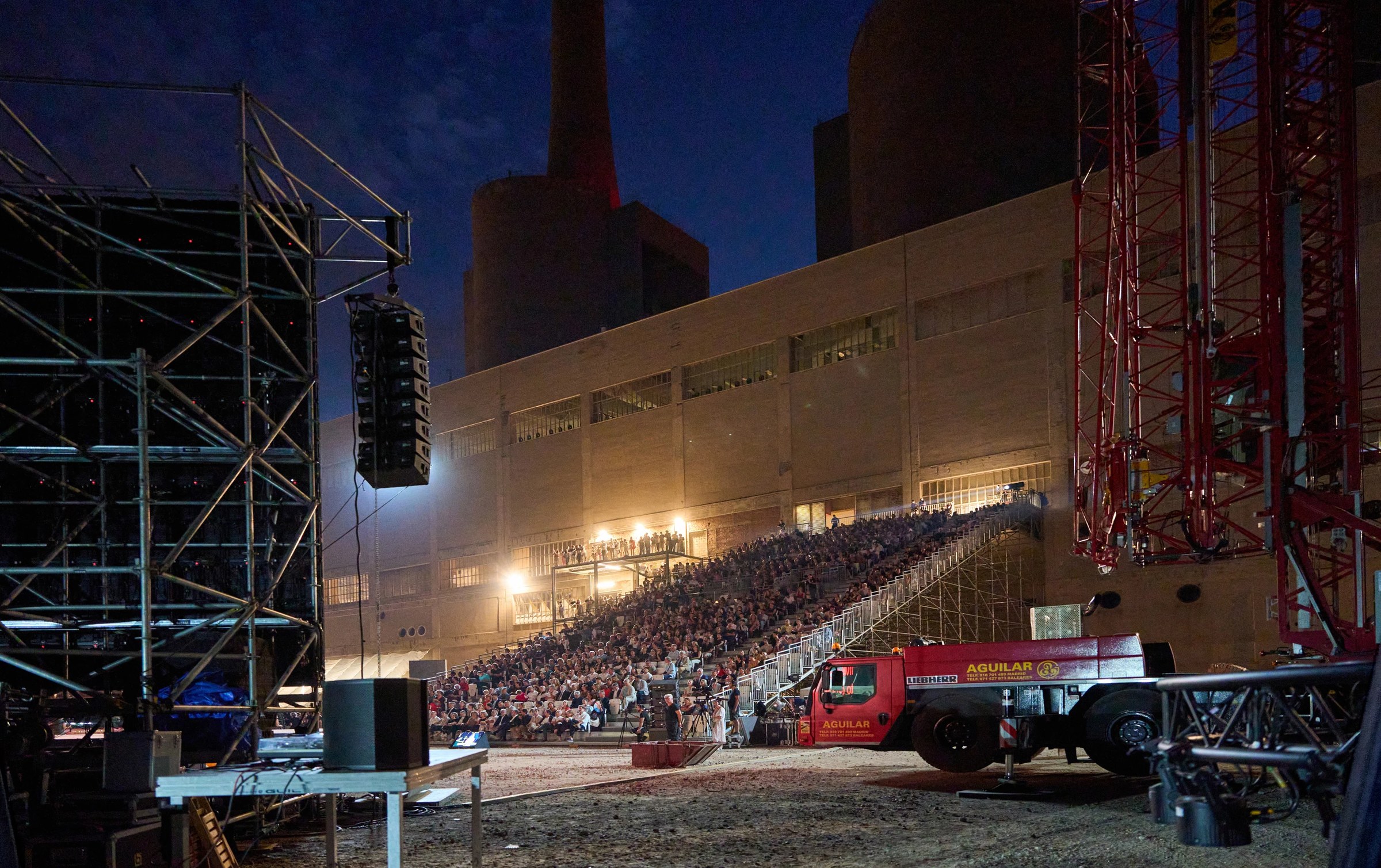
The congress treated Barcelona itself as teaching material. One principal venue occupied the disused Three Chimneys power station, asking the profession to reconsider existing structures alongside new construction. City routes took housing, waterfronts, public space, climate adaptation and community renewal beyond the conference hall. Exhibition, forum and direct observation could therefore test one another, expanding circular construction from a material concept to the preservation of urban memory, reduced demolition and longer building life.
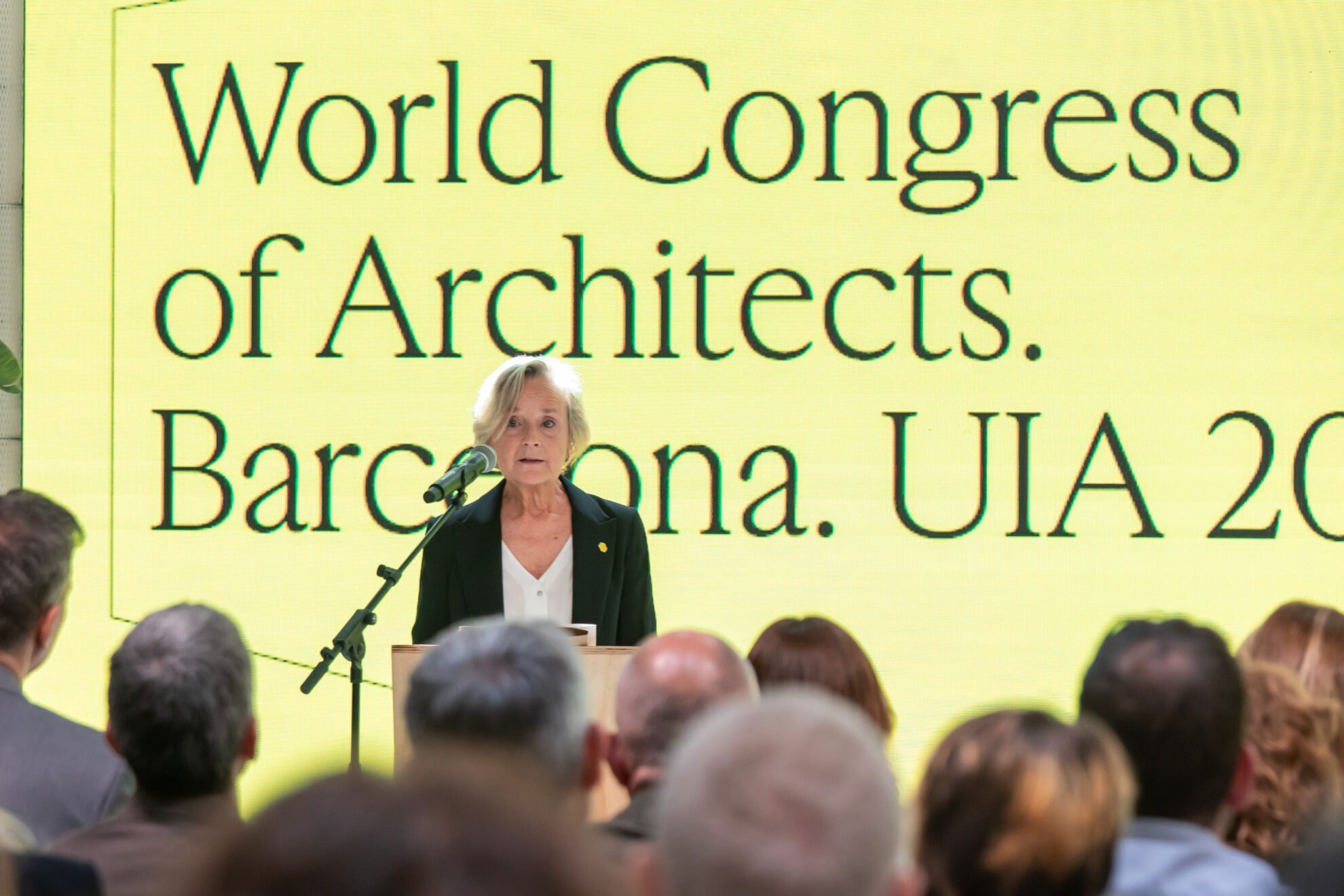
The closing discussion declared that the right to housing is non-negotiable and stressed that every act of construction has consequences beyond its walls. The declaration connected architectural judgement with land policy, finance, social equity and environmental impact. Faced with housing costs, extreme climate and resource pressure, architects cannot limit themselves to optimising form inside a project boundary. They must work with government, developers, engineers and residents to explain who bears the cost, who receives space and whether the result can adapt in future.
AURELIS Position
The congress is especially important for professional associations because it redefines how a community of practice speaks in public. International gatherings should do more than display celebrated projects; they can form positions that education, professional standards and public policy continue to cite. Barcelona shows that architectural culture reaches society when the exhibition venue, urban routes and closing declaration point to the same questions. Design influence expands from completing a building to helping shape the right to housing and the future of the city.
Keywords
UIA World Congress / Housing Rights / Barcelona / Circular Construction / Professional Responsibility