
Abstract
Nearly 2,000 entries, 20 categories and more than 40 international judges place innovation, users, business, society and aesthetics in one anonymous review.
Background
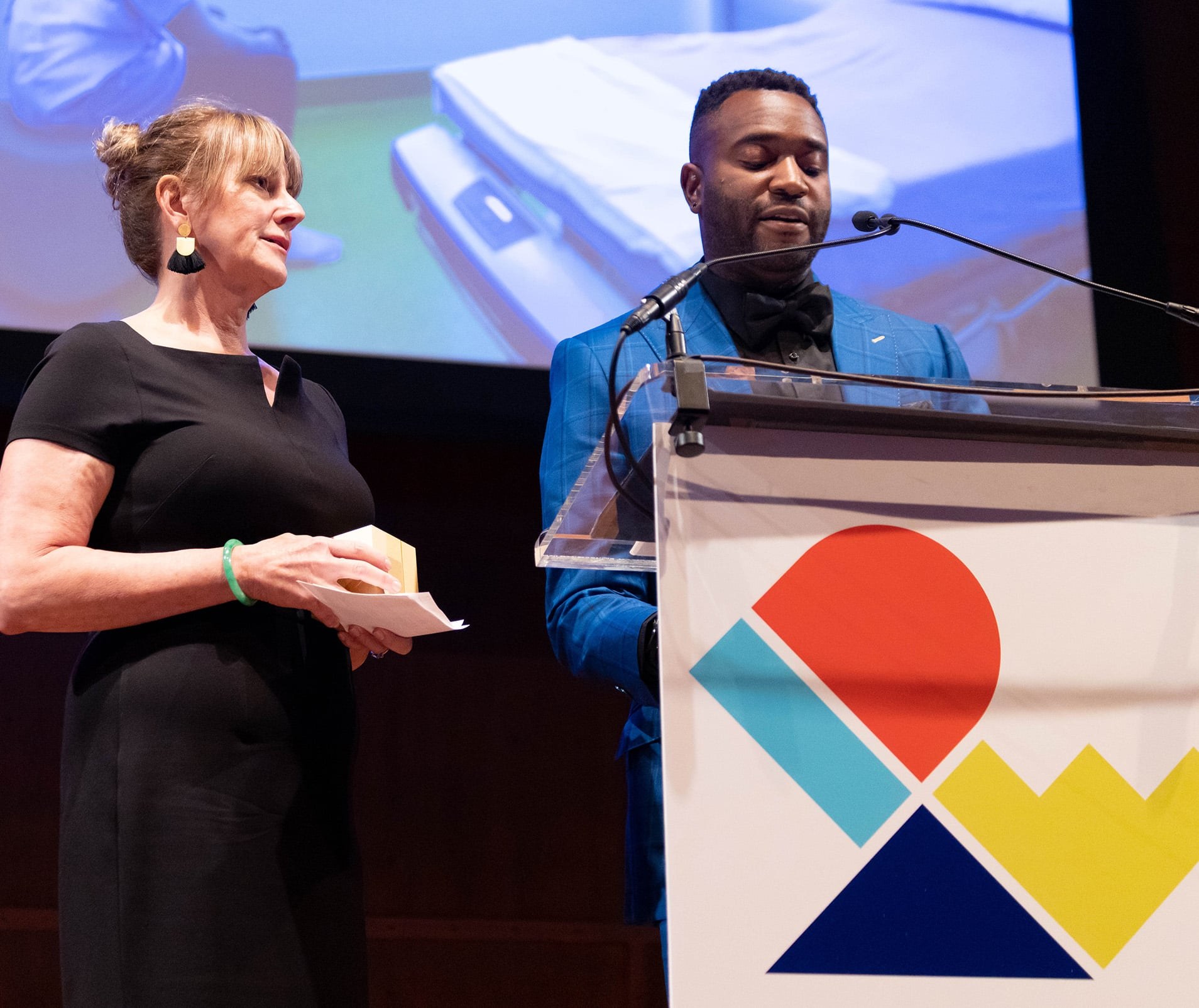
The 2026 International Design Excellence Awards ceremony took place in Pasadena on 20 August as part of the Industrial Designers Society of America’s international conference from 18 to 21 August. IDEA received nearly 2,000 entries across 20 categories, assessed by more than 40 judges from different countries and professional backgrounds. Anonymous judging reduced the influence of brand recognition, making design explanation and supporting evidence the basis for comparison.
Design Analysis
IDEA’s five core criteria address innovation, benefit to users, benefit to the client or brand, benefit to society and appropriate aesthetics. The word appropriate is crucial: form is not an independent performance but must correspond to use, cost, manufacture and cultural context. A work may be technologically complex or extremely simple, but in either case it must explain why it is more effective than what came before and whether users can genuinely perceive that improvement.
The judging structure reflects the interdisciplinary reality of industrial design. Consumer electronics, transport, home products, medicine, packaging, interfaces and social-impact projects enter the same award system, requiring judges to find comparable value across industries and scales. Gold-winning work also enters the permanent collection of The Henry Ford, turning current industrial outcomes into material for future study. The award thus connects market launch, professional review and public memory rather than disappearing after the ceremony.
AURELIS Position
For design teams, IDEA’s most useful contribution is not the probability of winning but the project-review framework it provides. Does innovation solve a real pain point? Is user value supported by evidence? Does commercial benefit come at the expense of society or the environment? Does form help understanding and use? These questions belong at the start of a project. The 2026 results again show that excellence in industrial design is not one exceptionally high score, but a credible balance among multiple responsibilities that turns good intentions into a producible, usable and sustainable reality.
Keywords
IDEA 2026 / Industrial Design / Design Criteria / Anonymous Jury / Social Value