Abstract
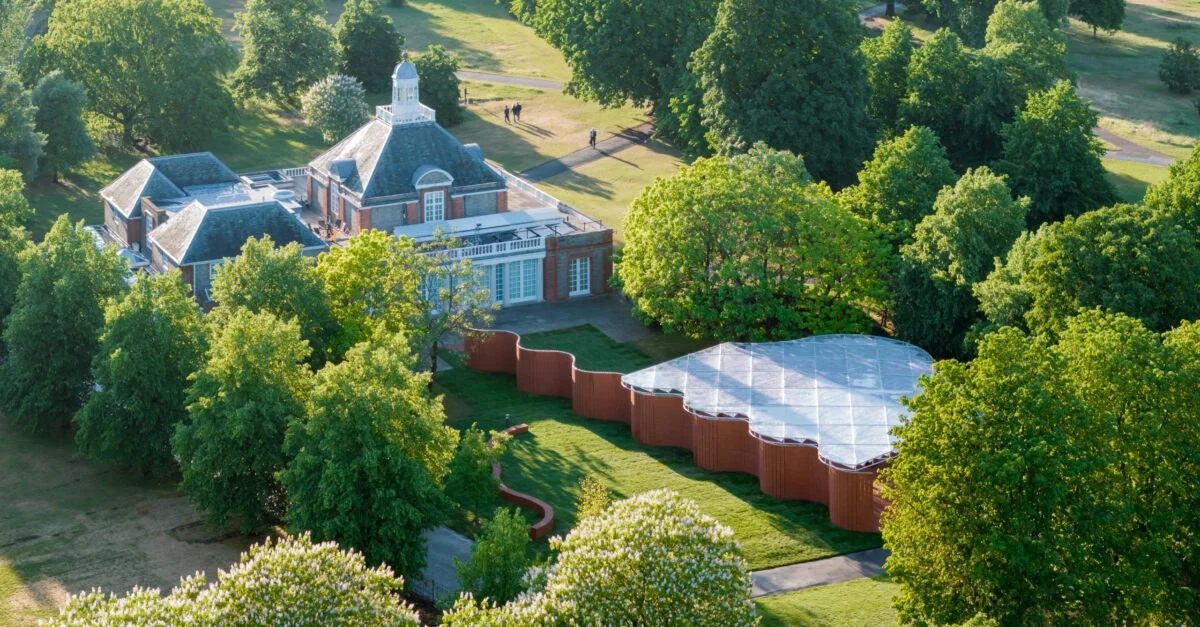
Through material experiment, memories of place and responses that resist repetition, the Chilean architect challenges the assumption that strong architecture must always make a forceful formal statement.
Background
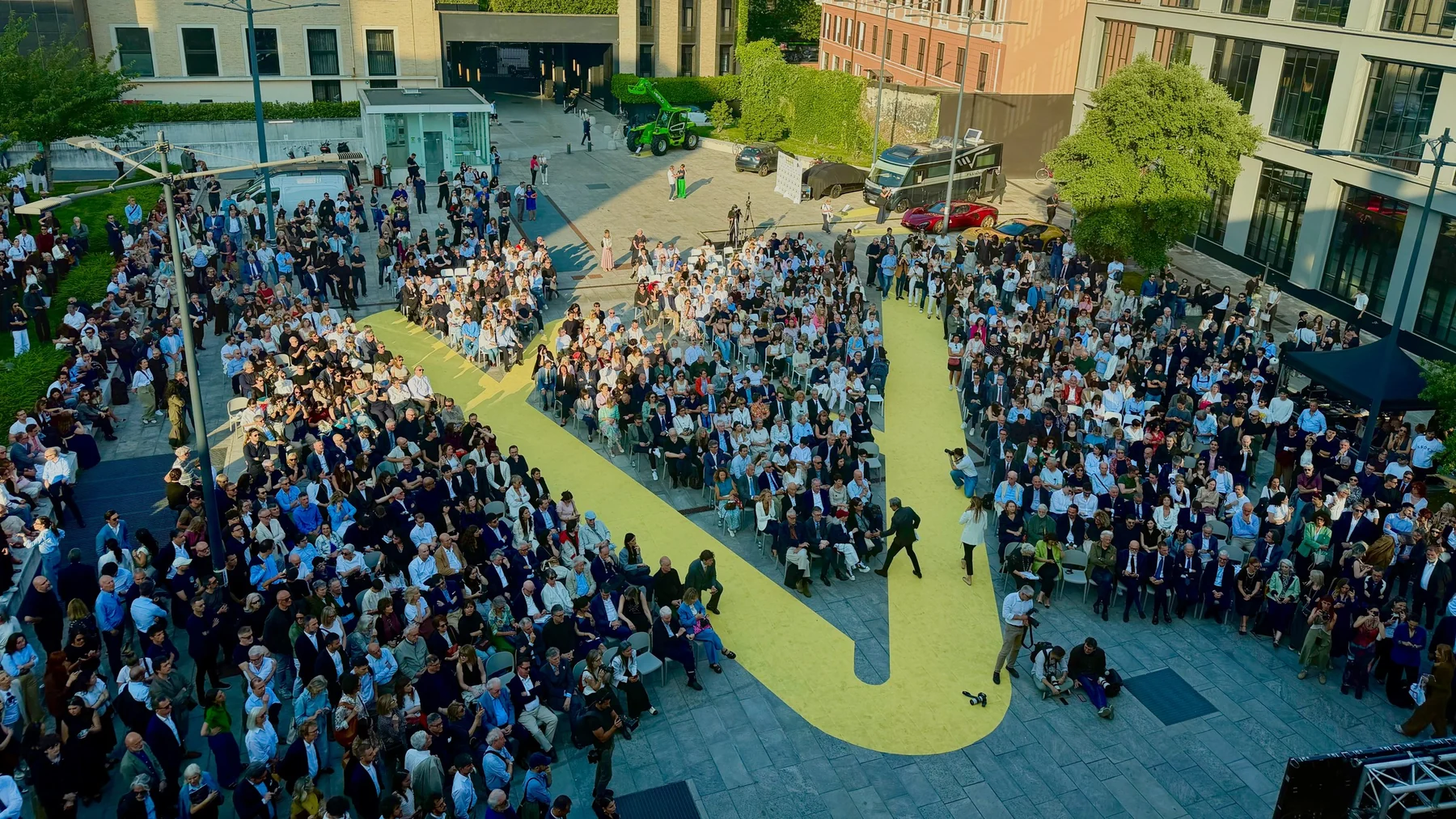
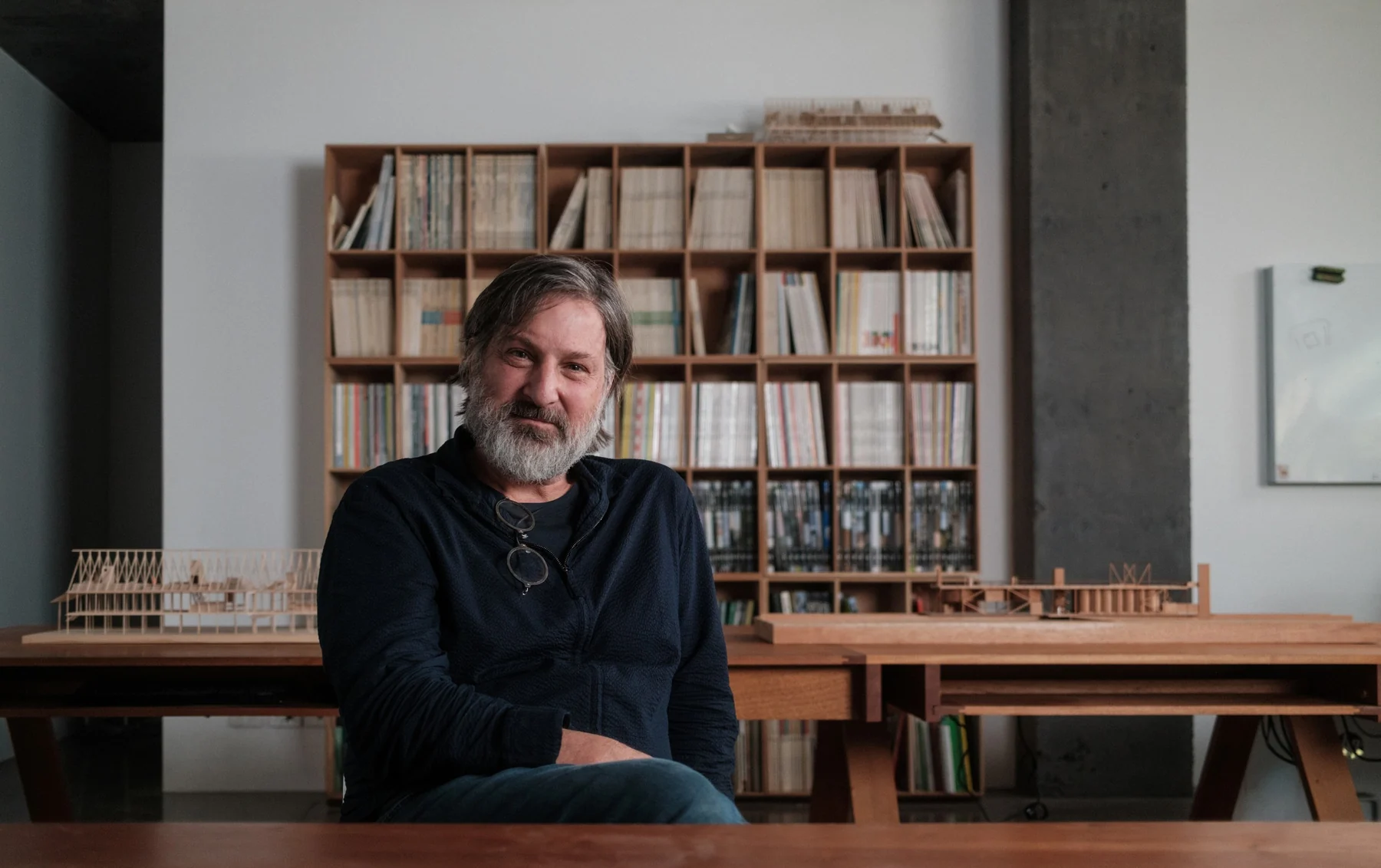
In March, Smiljan Radić Clarke received the 2026 Pritzker Architecture Prize, becoming its 55th laureate. The jury described an architecture that moves between weight and lightness, permanence and temporariness, the familiar and the strange, and praised its sense of fragility, incompleteness and imminent disappearance. This was not an endorsement of unusual form for its own sake, but recognition of a quality often excluded from monumental architectural discourse: the ability to make uncertainty visible.
Design Analysis
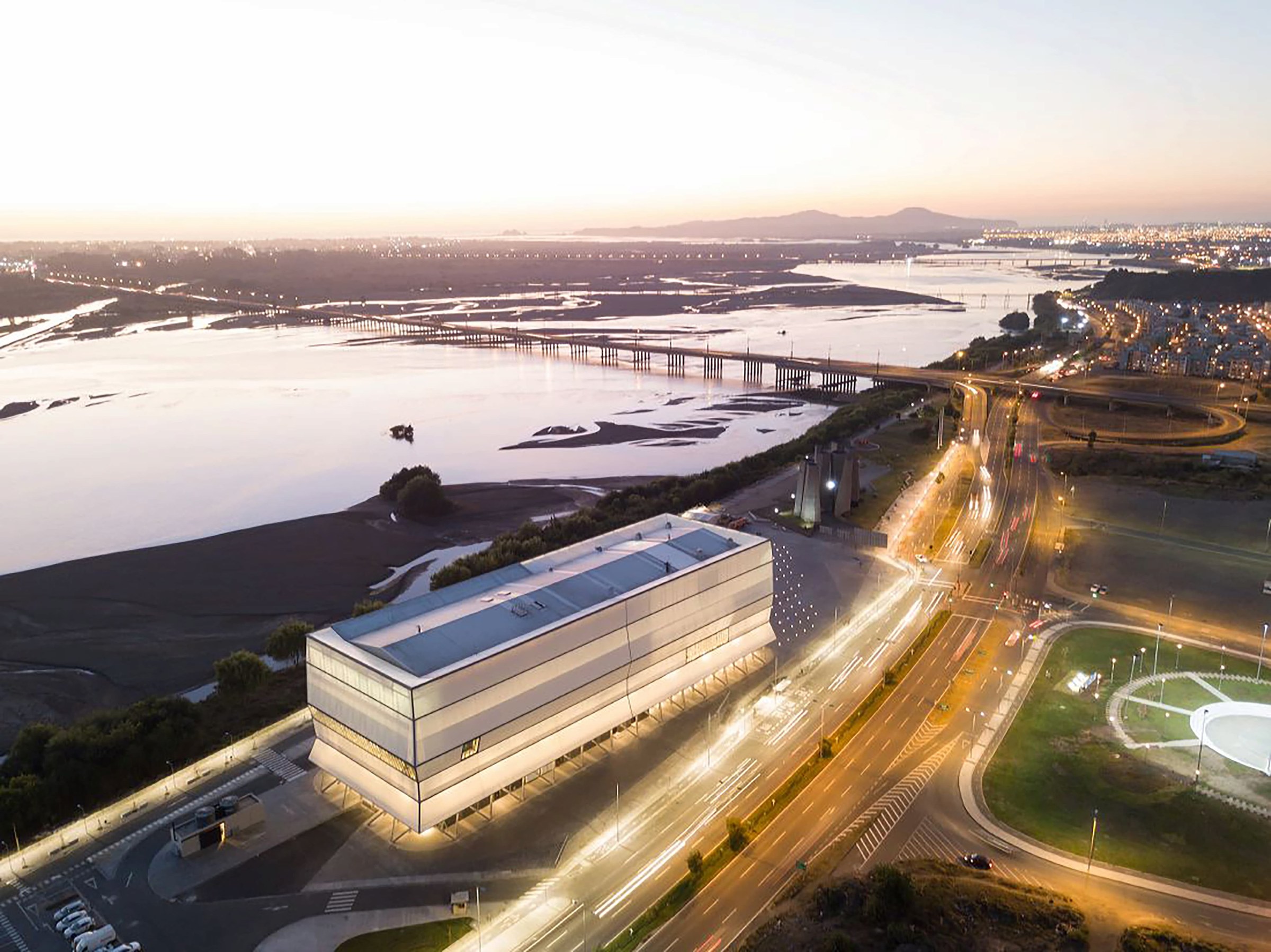
Radić’s projects rarely depend on a repeatable signature style. The Bío Bío Regional Theatre in Concepción wraps a rough structure in a translucent skin, restrained by day and lantern-like at night. NAVE, the performing-arts centre in Santiago, inserts a transformable venue into a historic building damaged by fire, allowing old walls, roof structure and new technology to work together. Joints, thickness, wear and structural relationships are not polished away; they become part of the architectural narrative.
Behind this approach is a sensitivity to the culture of a site and the realities of construction. Radić often begins with local craft, vernacular structures, literature and personal memory without copying them as symbols. Shifts in scale, material juxtapositions and blurred boundaries draw attention back to the body and its surroundings. Each project reads as an independent experiment, difficult to reduce to one formal language yet capable of producing an irreplaceable atmosphere in a particular place.
AURELIS Position
The 2026 award moves architectural value from how certain a building appears to how much reality it can hold. With climate risk, resource constraints and rapid social change becoming normal conditions, admitting that architecture will age, be altered and come into conflict with existing memories is not a retreat but a sign of maturity. Radić’s recognition suggests that originality may come not from a louder gesture, but from more patient observation and openness to material, place and time.
Keywords
Smiljan Radić / Pritzker Prize / Material Experiment / Place Memory / Architecture