Abstract
From an opening event to a permanent civic living room, WDC 2026 reframes design from a display of outcomes into a mechanism for urban participation.
Background
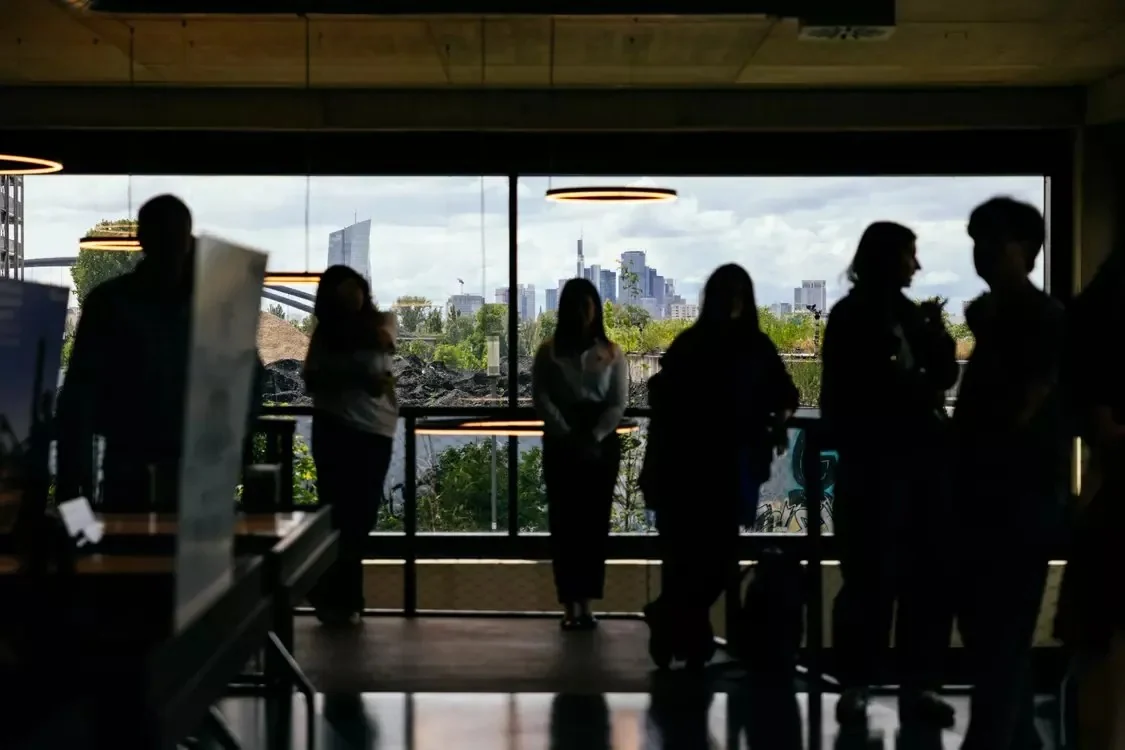
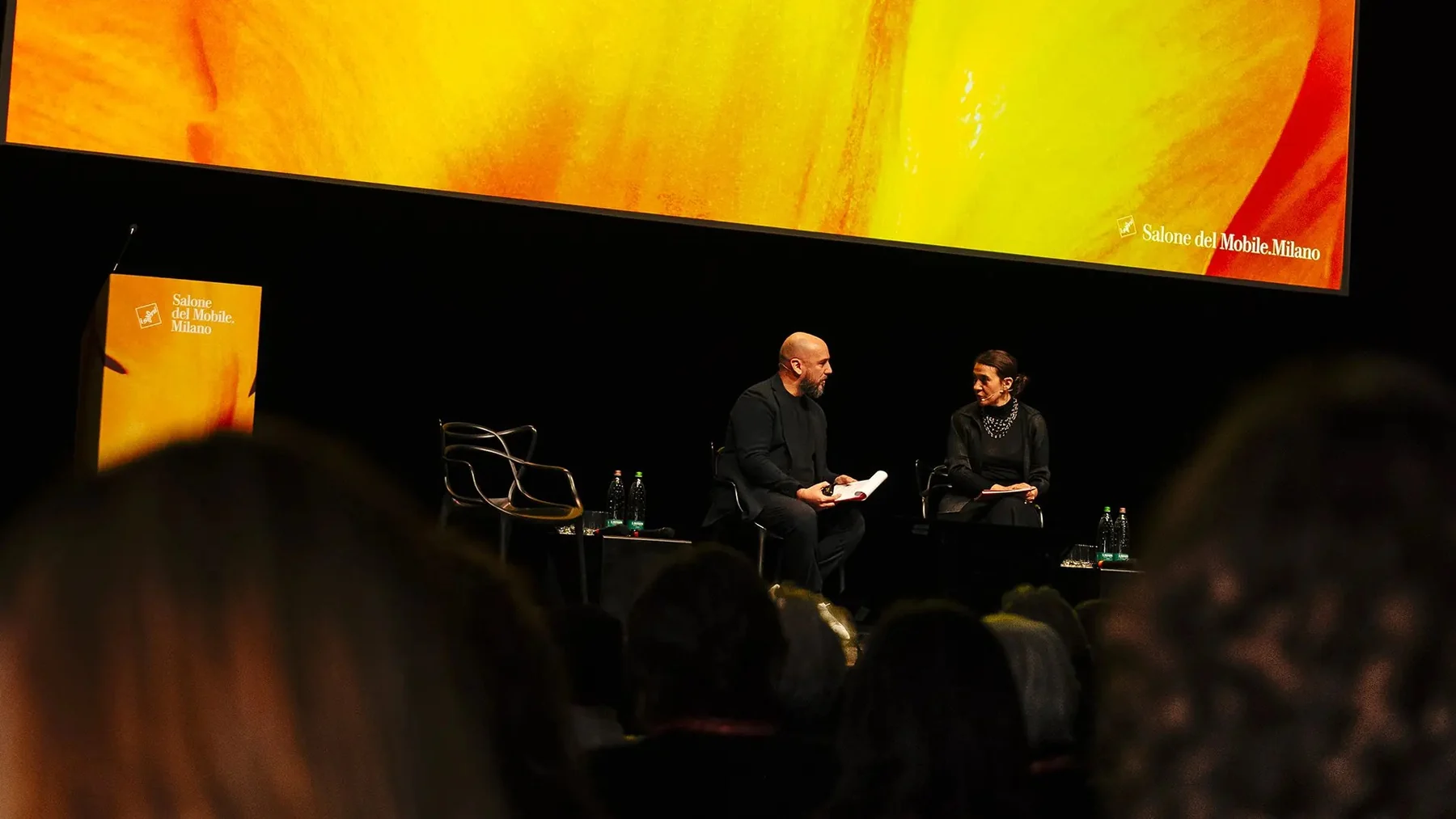
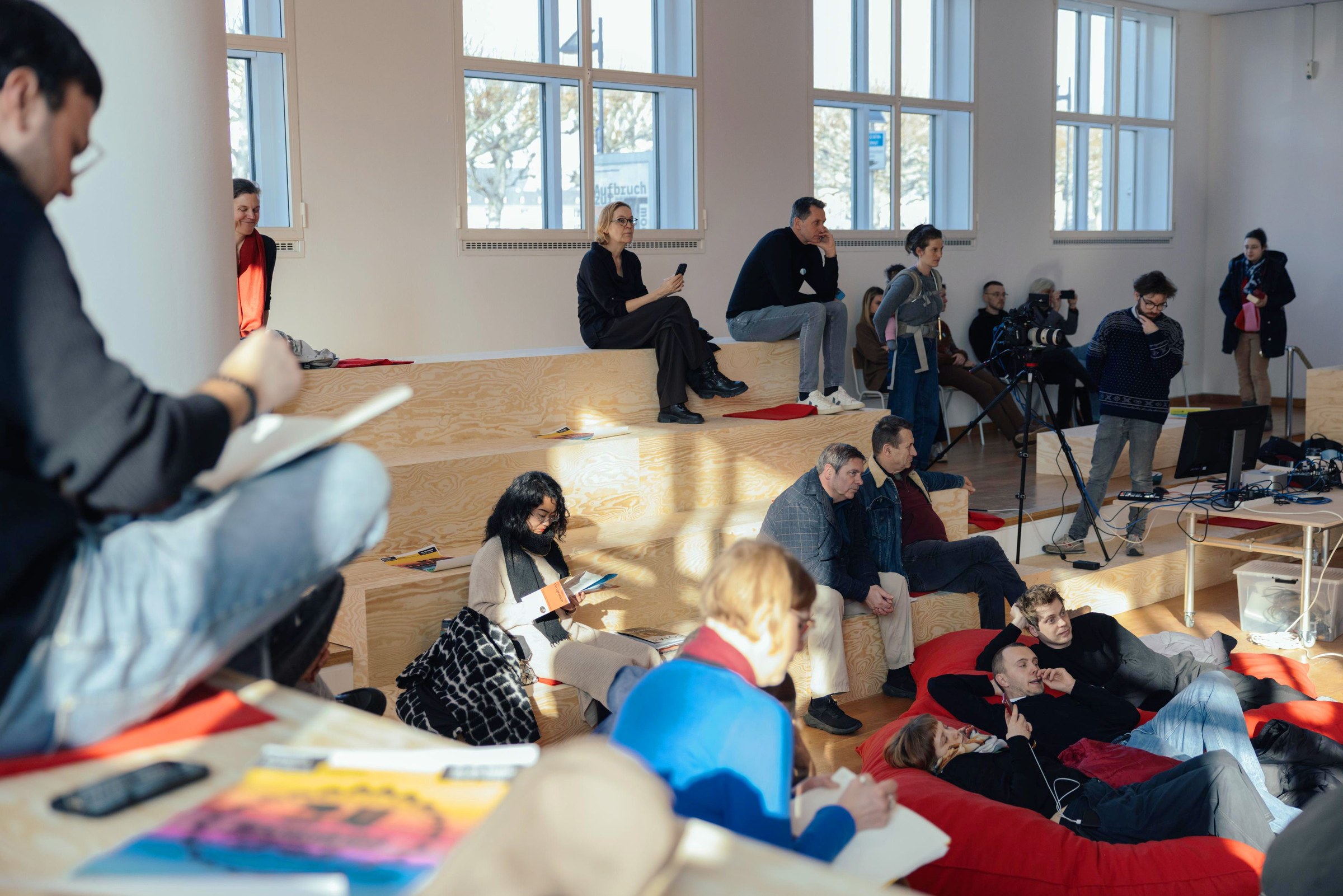
In January 2026, Frankfurt RheinMain in Germany formally opened its World Design Capital year under the theme “Design for Democracy. Atmospheres for a better life.” The opening event in Darmstadt on 16 January addressed spatial quality, public life and democratic culture; on 24 January, the WDC Hub opened at Frankfurt’s Museum Angewandte Kunst. Designed by formagora, the Hub serves at once as an information centre and a place for workshops, meetings and collective discussion.
Design Analysis
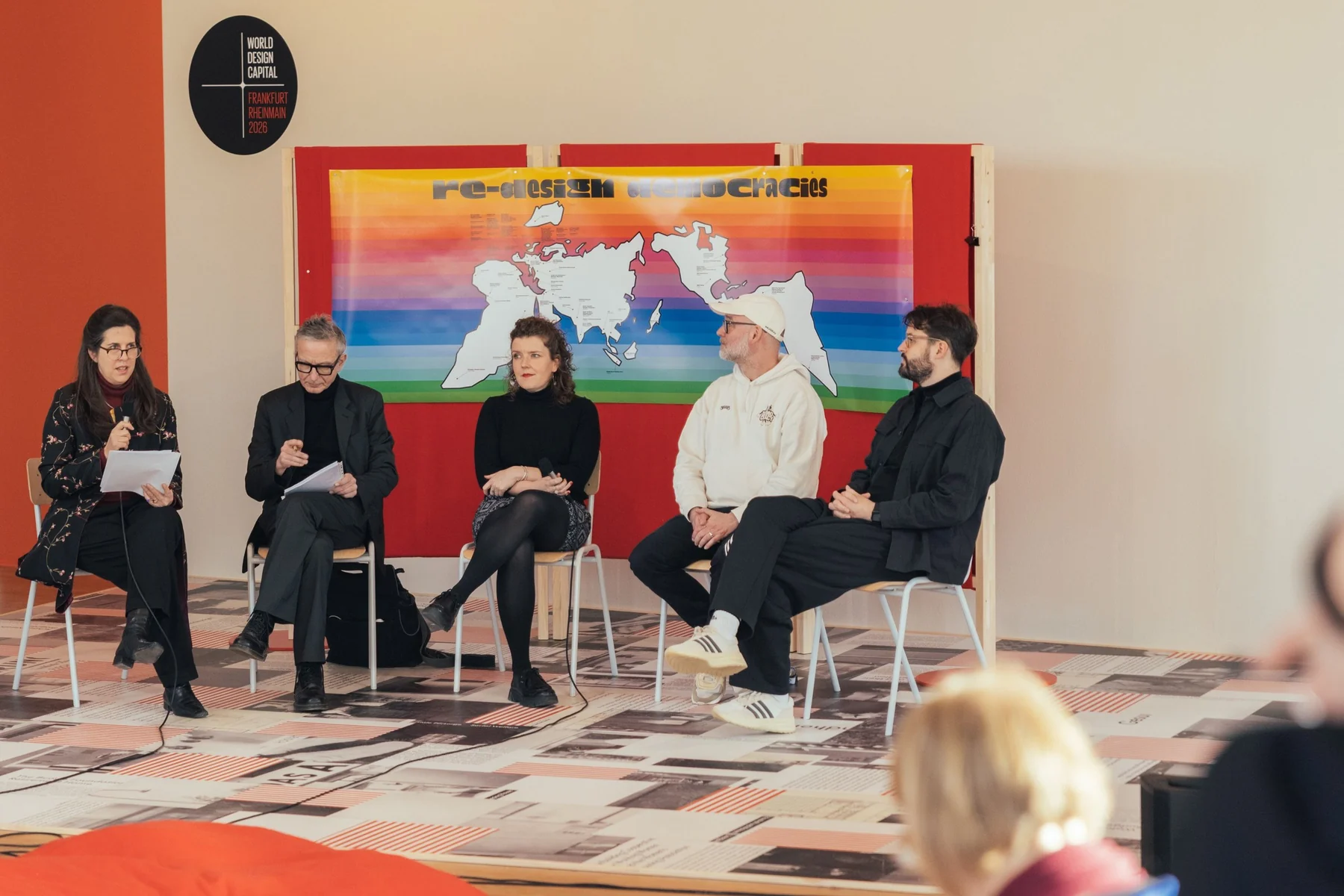
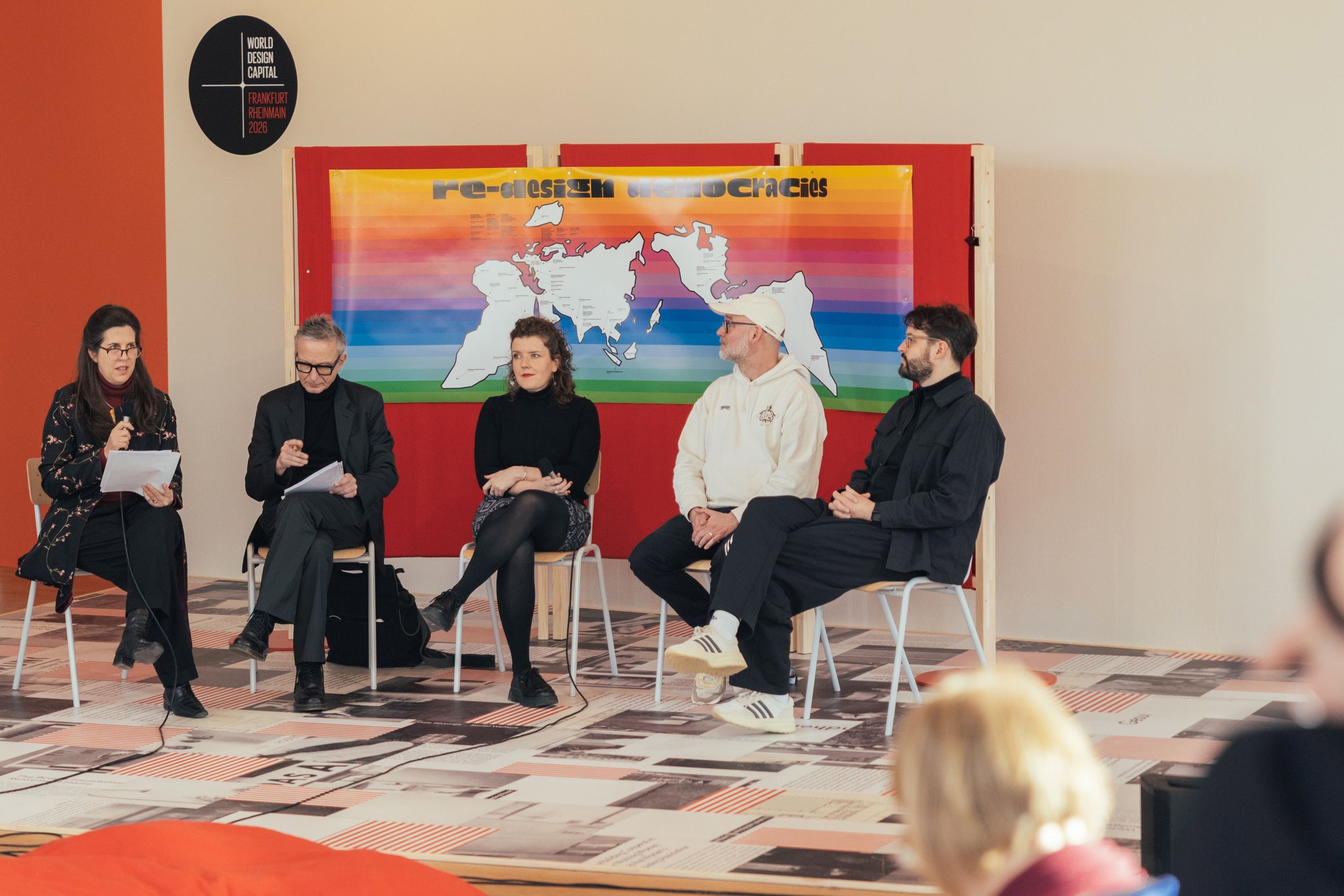
The opening deserves the design industry’s attention because it does not treat World Design Capital as a city-branding exercise. The annual programme places public space, education, circular production, digital technology and social equity side by side. Residents are invited not merely to view design, but to ask questions, enter the process and test its results. The opening series “re_Design Democracies” makes the same point: who gets to speak, how space is used and whether services are genuinely accessible are all design questions.
The spatial strategy of the Hub embodies this shift. Instead of creating distance through a monumental installation, movable furniture, open interfaces and flexible activity units lower the threshold for participation. A museum devoted to collecting and interpretation temporarily becomes an urban living room connecting professionals, public administrators and residents. Project evaluation must therefore look beyond visual finish to the continuity of participation, transparency of information and the ability of different groups to build trust within one system.
AURELIS Position
WDC 2026 offers a year-long, observable example of design contributing to governance. It reminds the profession that public design is not a decorative interface added after decisions have been made; it should enter earlier, when questions are framed, resources allocated and feedback organised. For design institutions working on urban renewal, community building and public culture, the lesson is especially useful: genuinely public design often begins by building a table at which more people can sit.
Keywords
World Design Capital / Design Democracy / Civic Participation / Public Space / Governance