Abstract
The programme announced on 29 January moves circular exhibition design, invisible technology and emerging talent to the centre of international industry debate.
Background
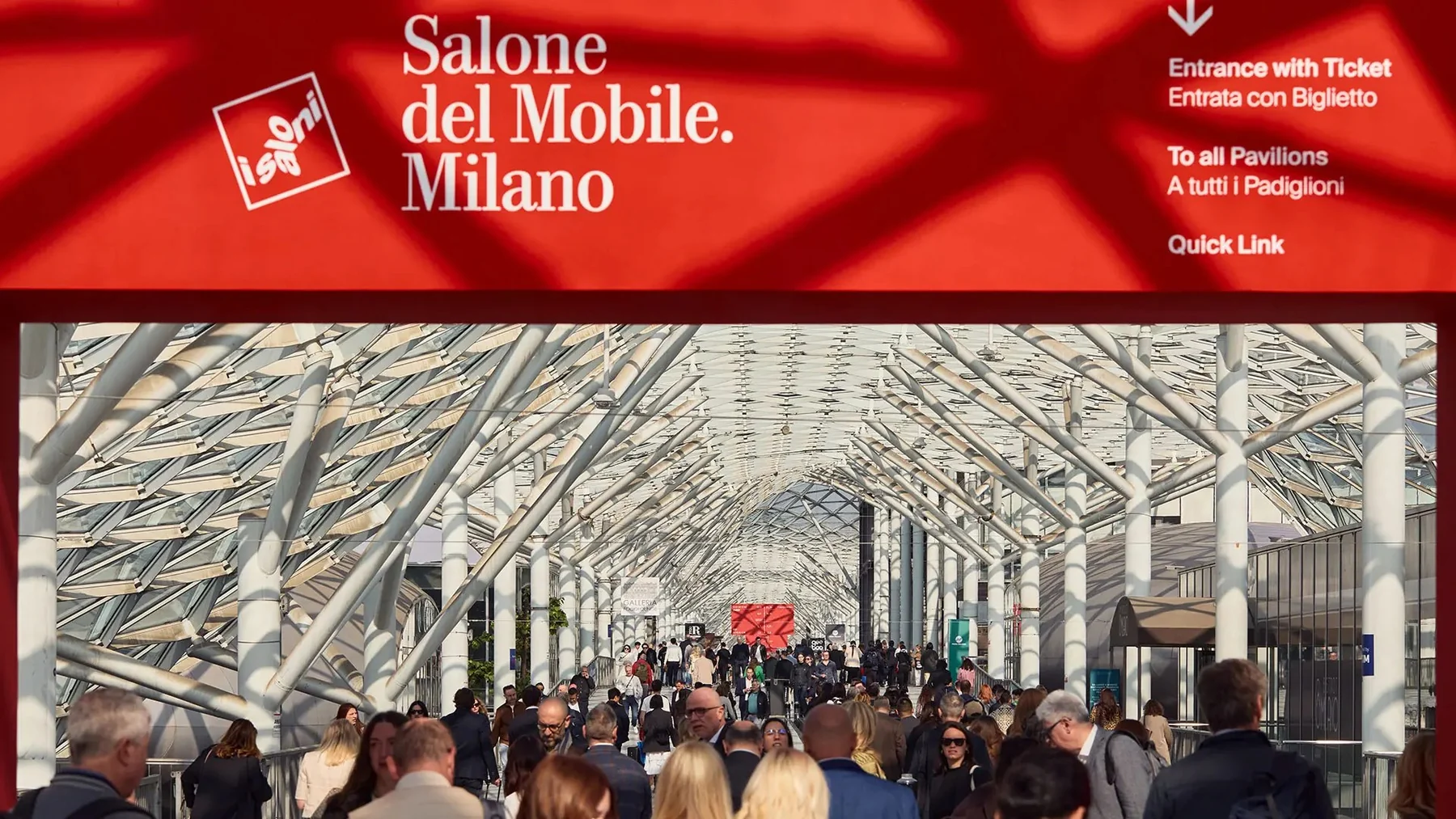
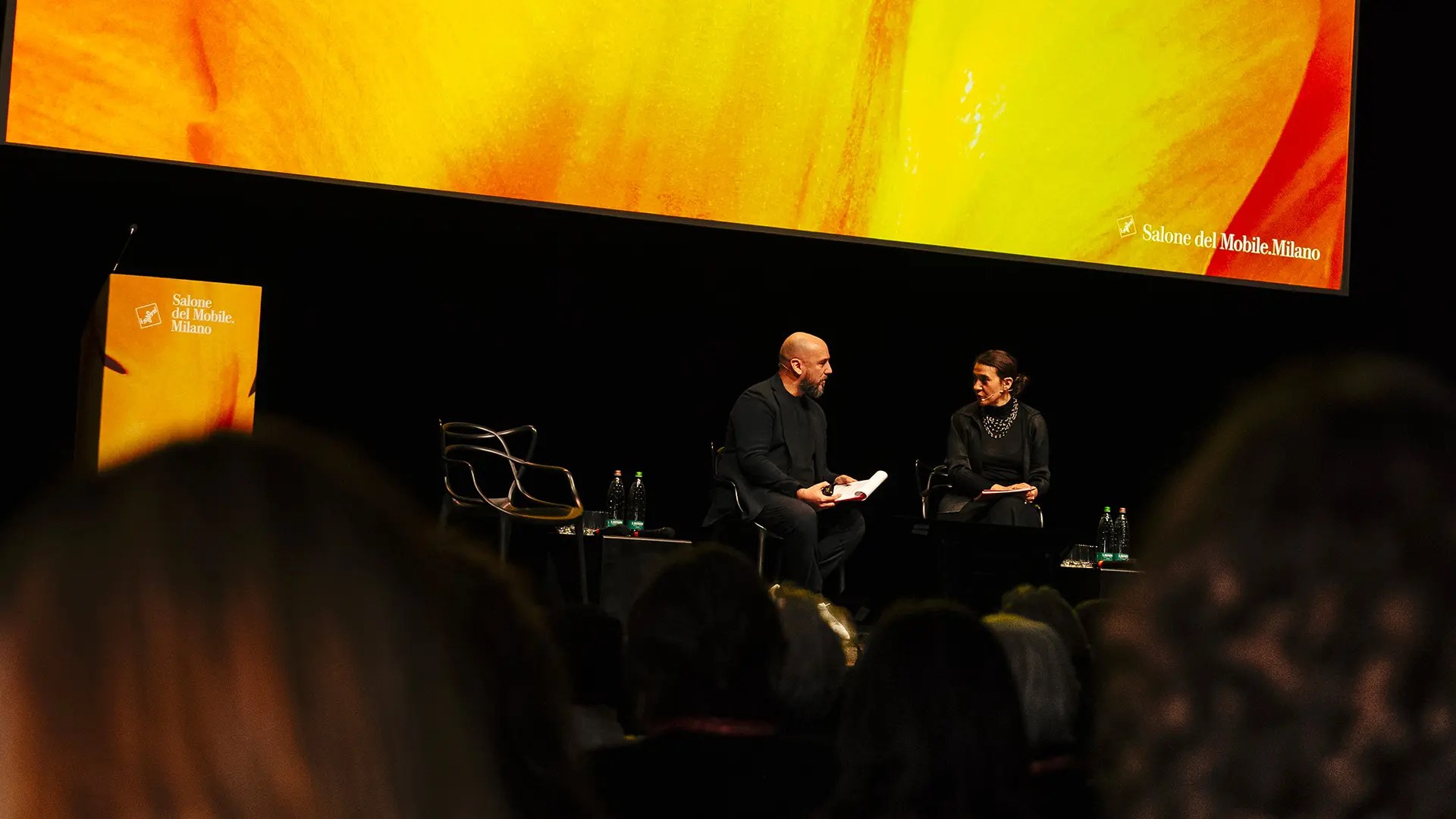
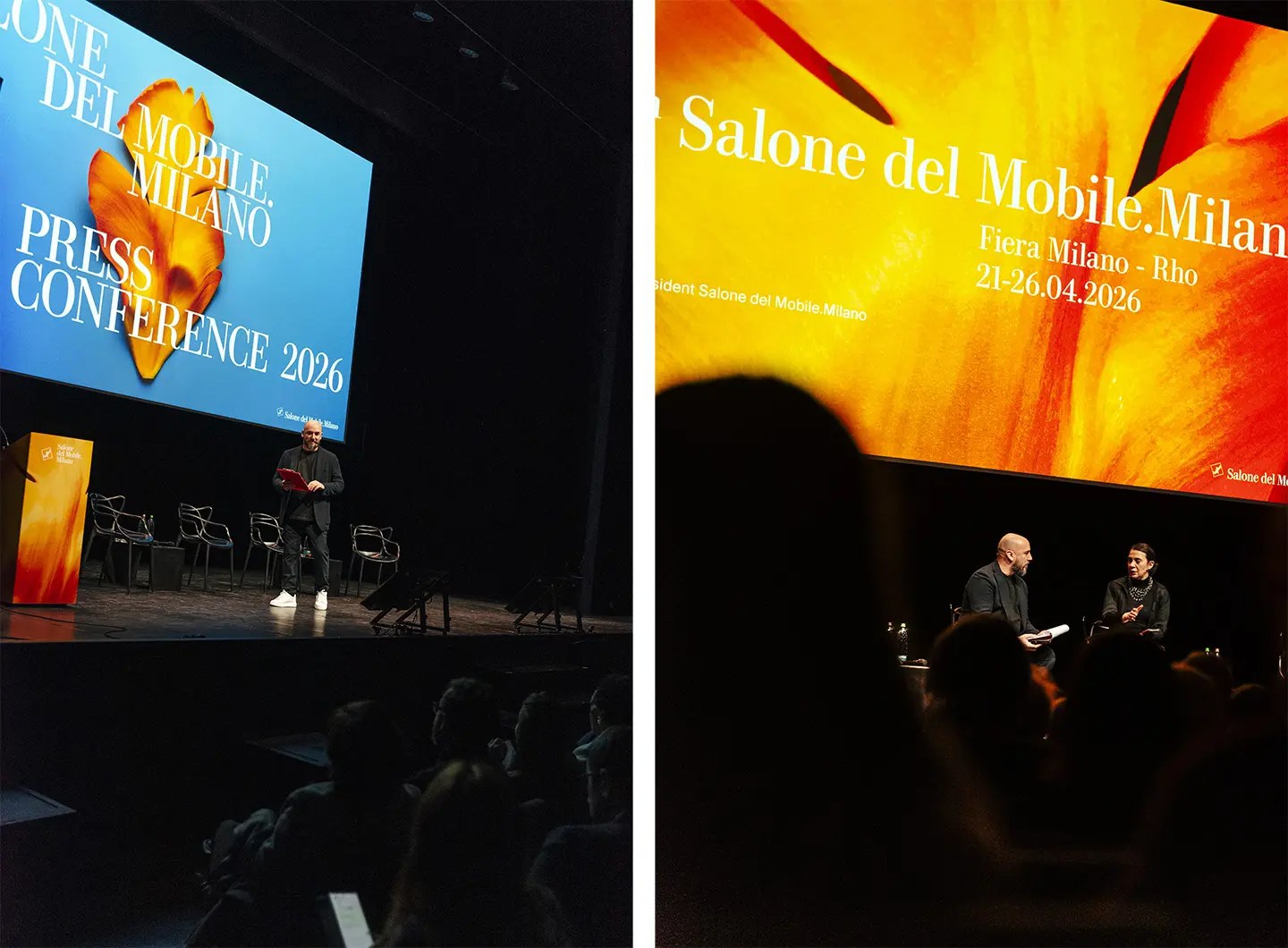
On 29 January, Salone del Mobile.Milano announced its complete 2026 programme. The 64th edition, scheduled for 21–26 April, would bring more than 1,900 exhibitors into approximately 169,000 square metres, with international brands accounting for 36.6 per cent and 227 brands appearing for the first time or returning. EuroCucina would gather 106 brands from 17 countries, the International Bathroom Exhibition 163 brands from 14 countries, and SaloneSatellite about 700 designers under 35 seeking entry to the professional market.
Design Analysis
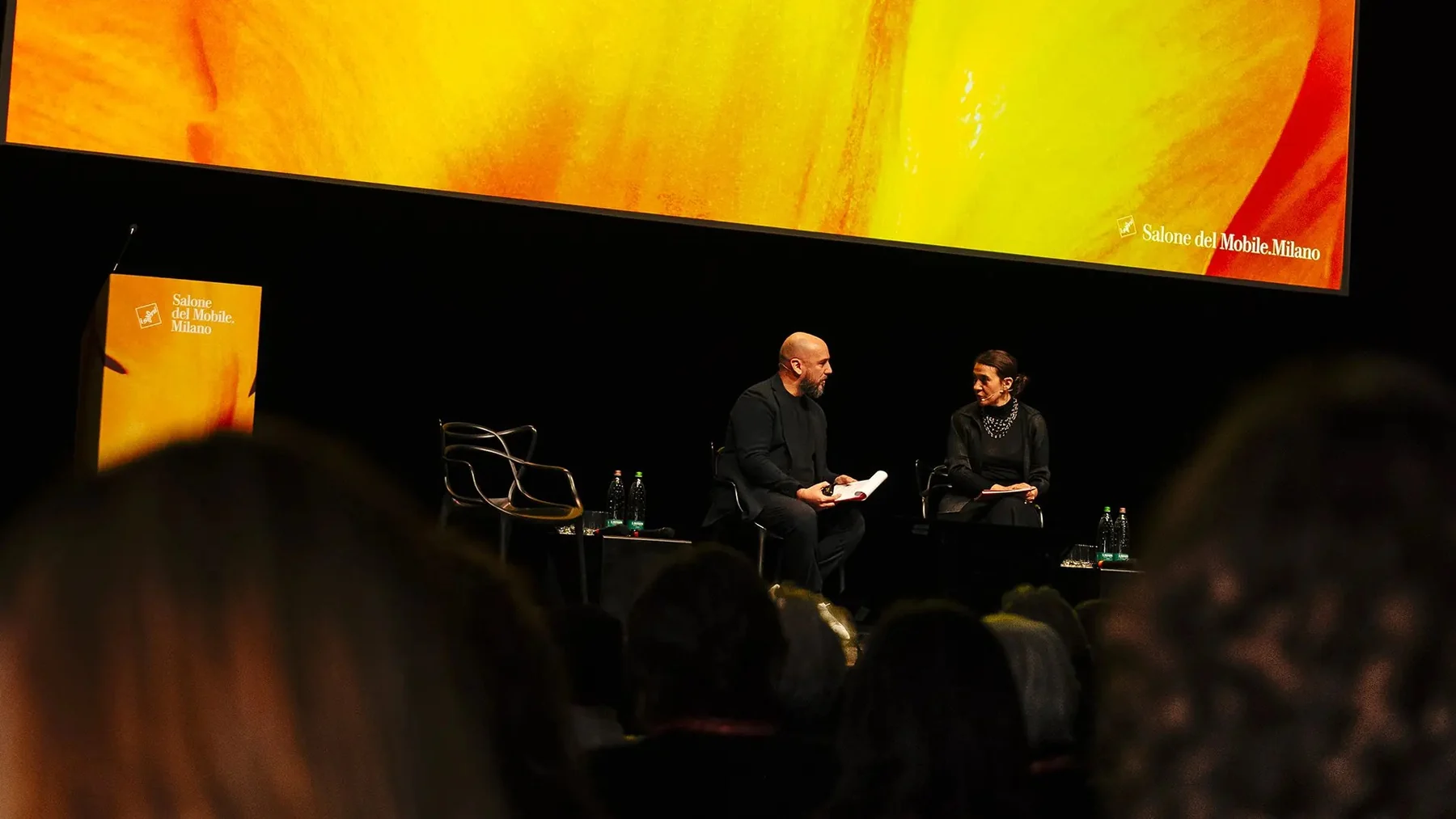
Beyond the numbers, the curatorial structure matters more. Innovation is no longer treated as a change of shape alone: material life, disassembly, transport, maintenance costs and digital services are considered within one value chain. Pre-show discussions repeatedly addressed “invisible technology”, arguing that sensors, controls and intelligence should recede behind furniture and space rather than compete for attention on screens. Circular materials, replaceable components and the reuse of stands are likewise moving from optional environmental gestures to basic conditions of participation.
A new section devoted to collectible and limited-edition design shows the furniture industry redrawing the boundary between standardised products, craft and cultural assets. It answers the premium market’s interest in scarcity and provenance, but also asks designers to explain materials, processes and production relationships instead of relying on narrative alone. SaloneSatellite performs the opposite but equally important task: giving ideas that have not yet reached scale a lower-threshold encounter with manufacturers, buyers and the media.
AURELIS Position
The January blueprint set a clear tone for the design industry in 2026. Large fairs remain trading platforms, but they now trade more than products: supply-chain transparency, long-term service capacity and the right to cultural interpretation are also at stake. Exhibitors will compete on whether product, display, communication and recovery plans agree with one another. For designers, a trend is no longer simply a palette of colours and silhouettes, but a way to make technology more restrained, resources more circular and value more demonstrable.
Keywords
Salone del Mobile / Circular Exhibition / Invisible Technology / Furniture Industry / Emerging Designers