Abstract
Over ten days, seven hubs and four focus cities, Frankfurt RheinMain showed that a design festival can operate as a decentralised public network.
Background
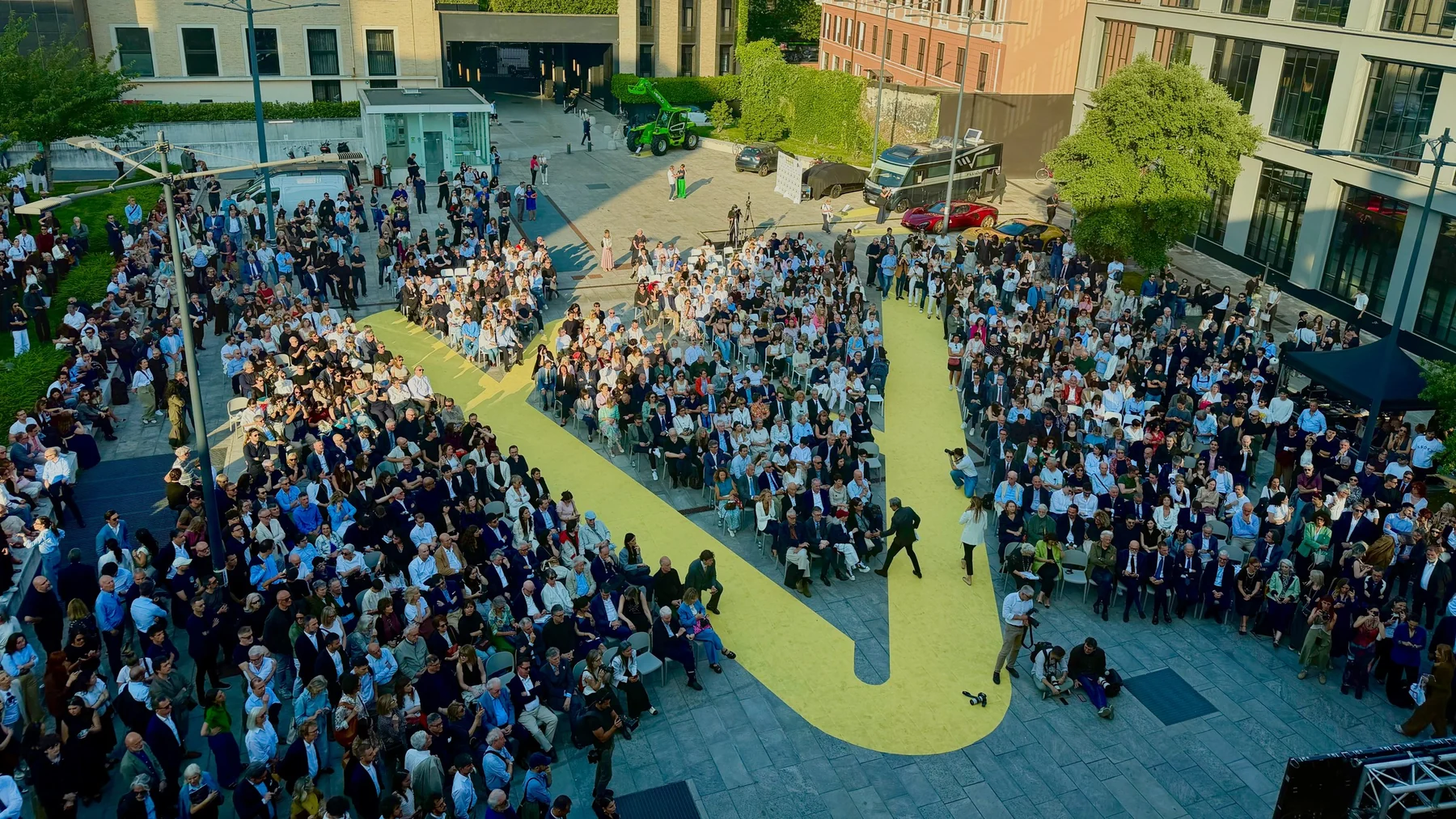
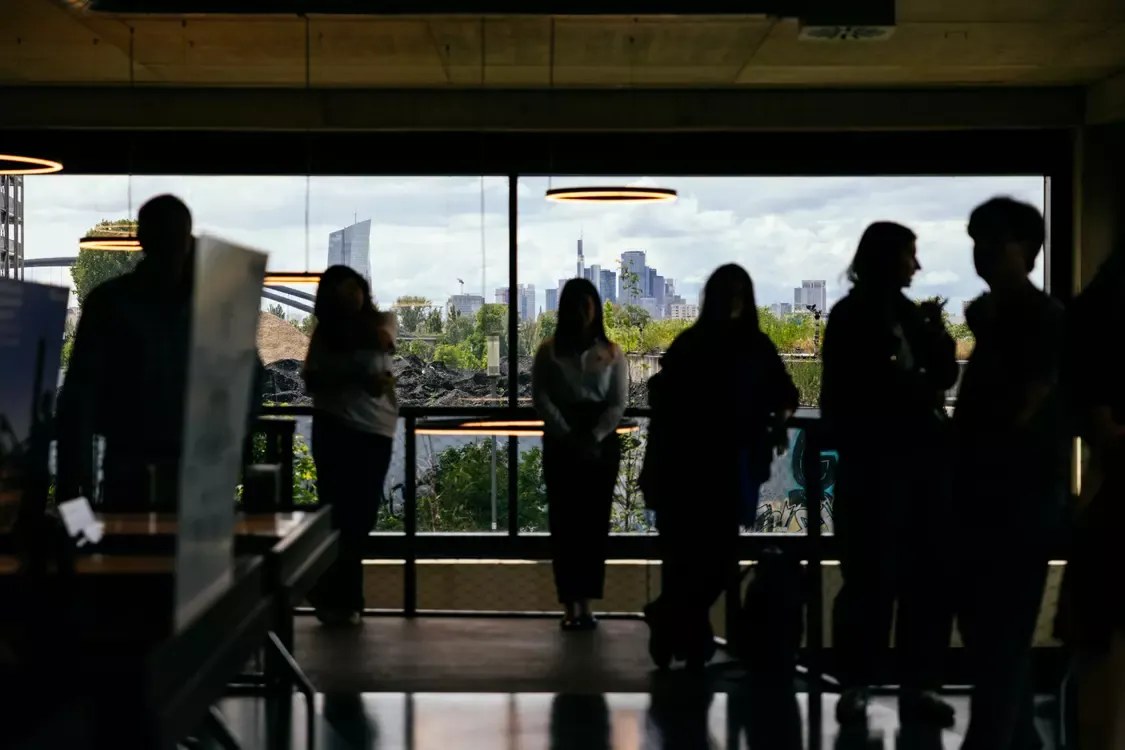
World Design Capital Frankfurt RheinMain held Open Design Week from 5 to 14 June. Official reporting recorded around 35,000 visits, with more than 200 projects across over 150 venues. Design studios, companies, universities, cultural institutions and community organisations opened their doors together. Four focus days linked four cities and seven regional hubs, allowing visitors to encounter design in everyday neighbourhoods rather than travelling to one central venue.
Design Analysis
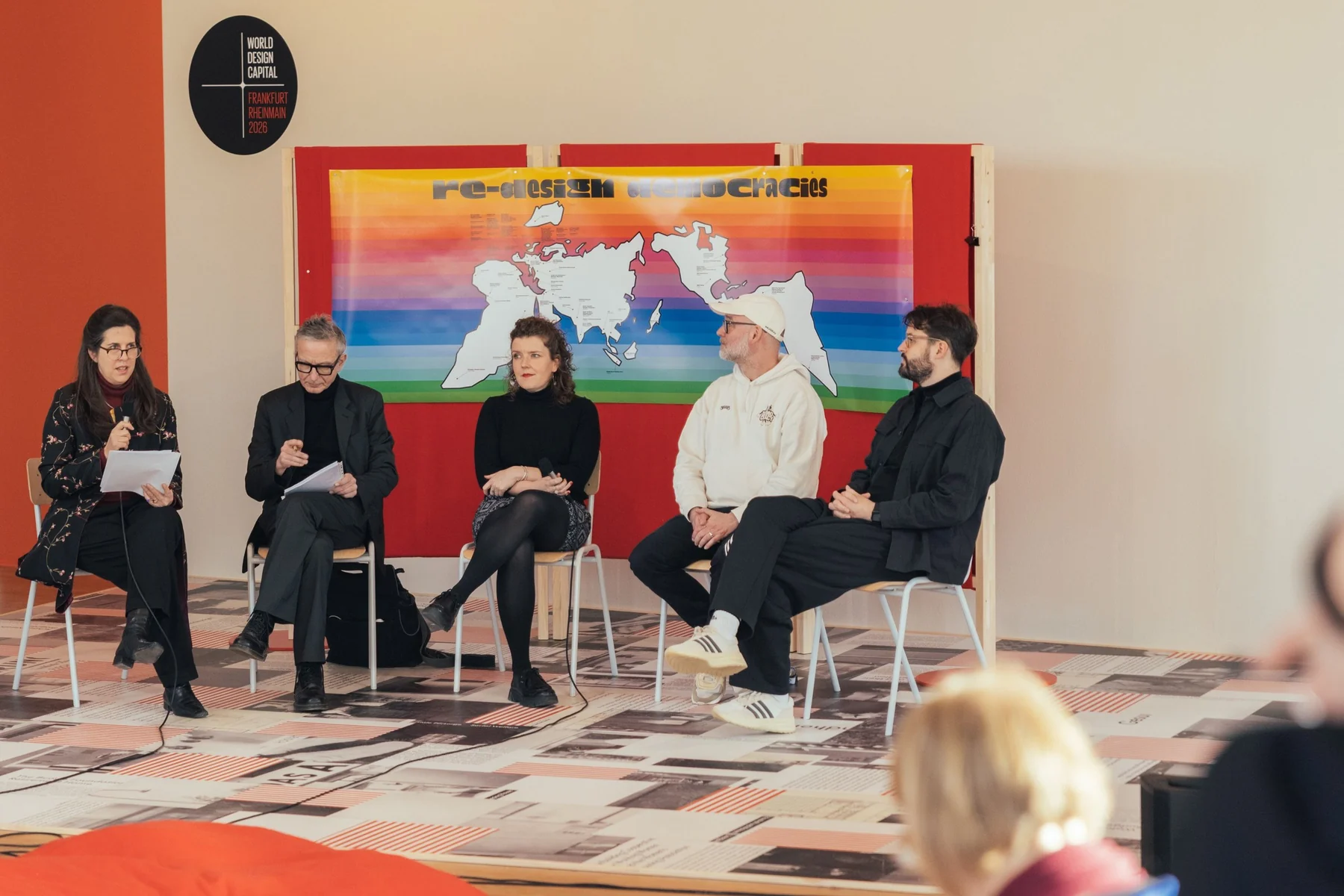
This distributed structure changed how a design week could be experienced. Visitors saw unfinished models in studios, learned about materials and production in factories, joined discussions in schools and tested installations in public space. The organisers treated openness as a method rather than a slogan: open places, open processes and open questions, with different professions sharing an audience. Design shifted from a carefully packaged final result to a social process that could be questioned, altered and used again.
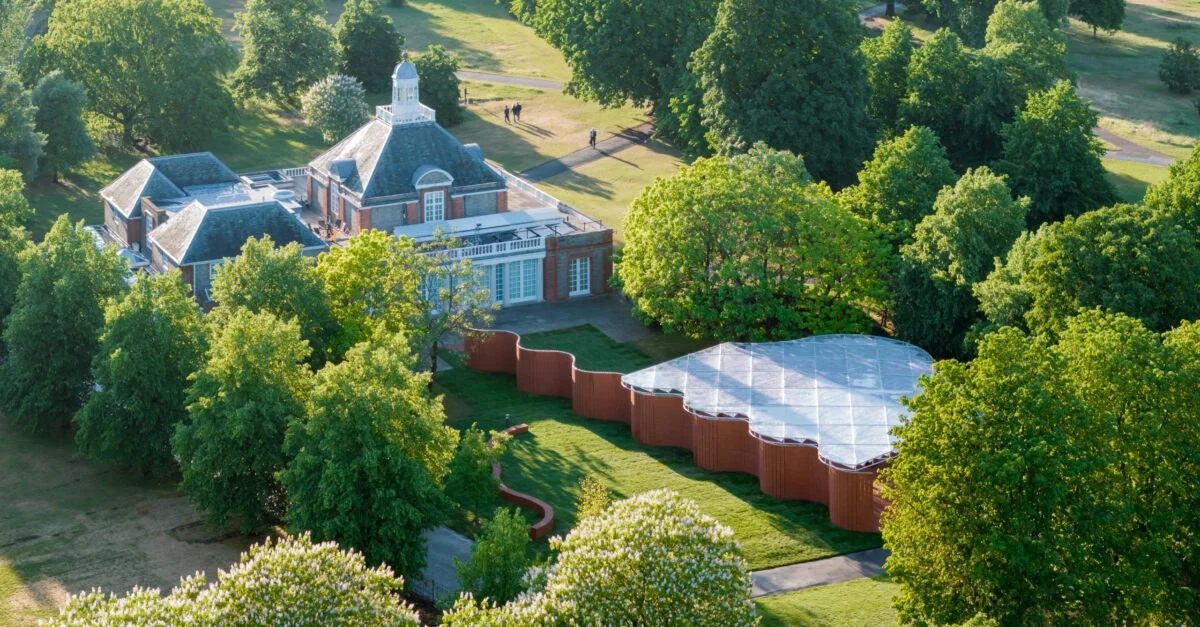
Circular-material installations, travelling screenings and the WDC Pavilion were particularly representative. Different in scale, each functioned as a connector: temporary spaces created places for strangers to pause, film brought experience from other regions into local discussion, and demountable components allowed resources from one event to enter the next. The organisers’ hardest task was not building a landmark, but coordinating the schedules, wayfinding, accessibility information and shared identity of dispersed sites.
AURELIS Position
Attendance was not the week’s only achievement. More important was the new experience of collaboration acquired by the city network; relationships among studios, schools and communities could continue after the event. For design weeks and professional associations, the model offers another idea of scale. Influence need not equal concentrated crowds and enormous halls; it can grow through many small nodes, longer local relationships and lower barriers to participation. A festival that leaves a mechanism for collaboration becomes infrastructure for urban learning rather than a temporary event.
Keywords
Open Design Week / Urban Network / Co-Creation / Design Festival / Frankfurt RheinMain