Abstract
By writing environmental responsibility into a common scoring framework, an international award moves the definition of good design from formal quality toward complete accountability.
Background
On 27 April, the iF Design Award Night was held at Berlin’s Friedrichstadt-Palast with about 2,000 guests from 42 countries. The 2026 competition covered nine design disciplines and 93 categories, receiving more than ten thousand entries from 68 countries. A panel of 129 independent experts completed the judging, with 75 projects receiving the highest iF Gold Award. A trend conference the following day continued the conversation by turning award results into industry debate.
Design Analysis
The iF framework examines idea, form, function, differentiation and impact, with sustainability accounting for one fifth of the overall assessment. That proportion matters because it moves environmental and social responsibility from an optional story told by entrants to a common question every category must answer. Judges examine materials and manufacturing, but also product life, repair, inclusion, commercial value and long-term social consequences.
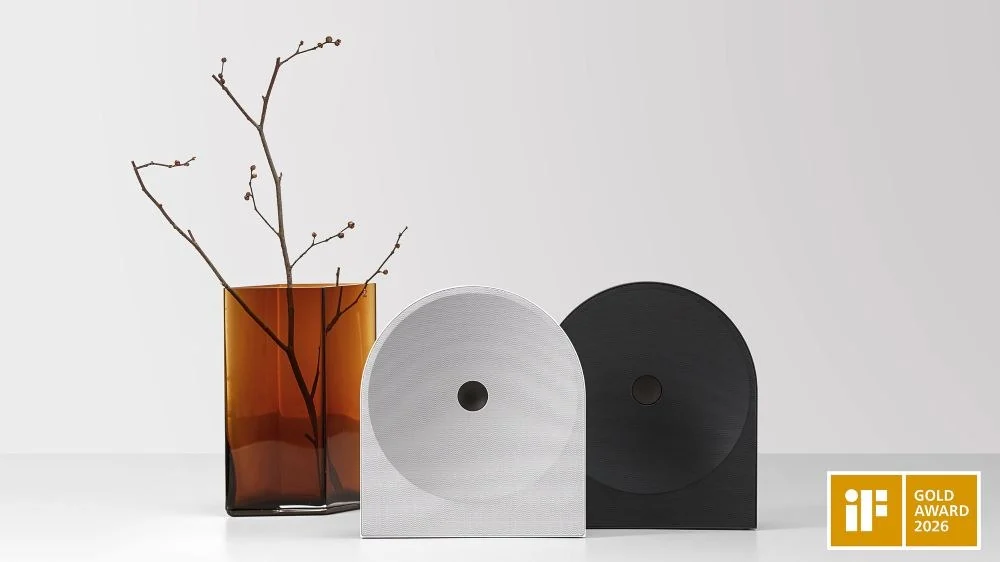
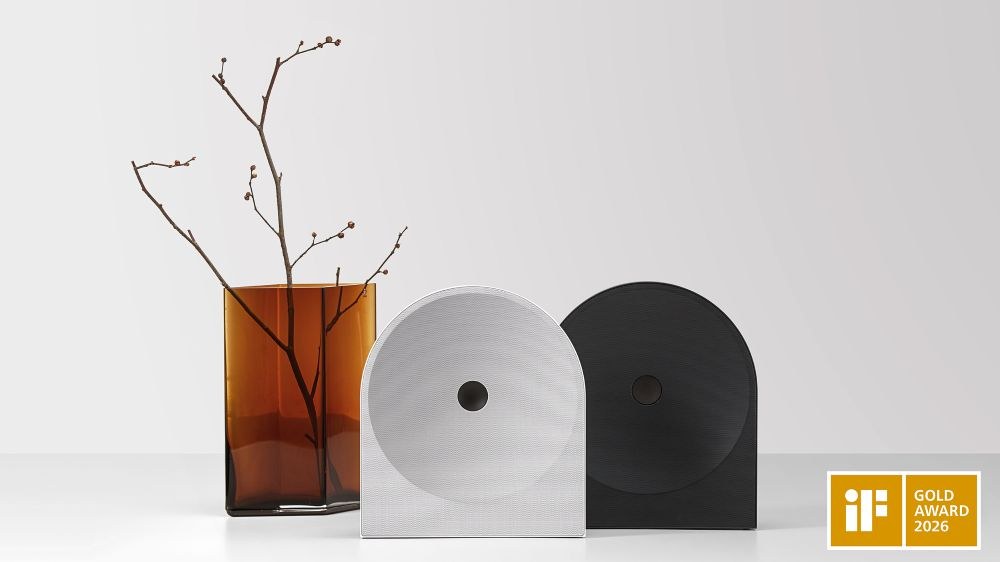
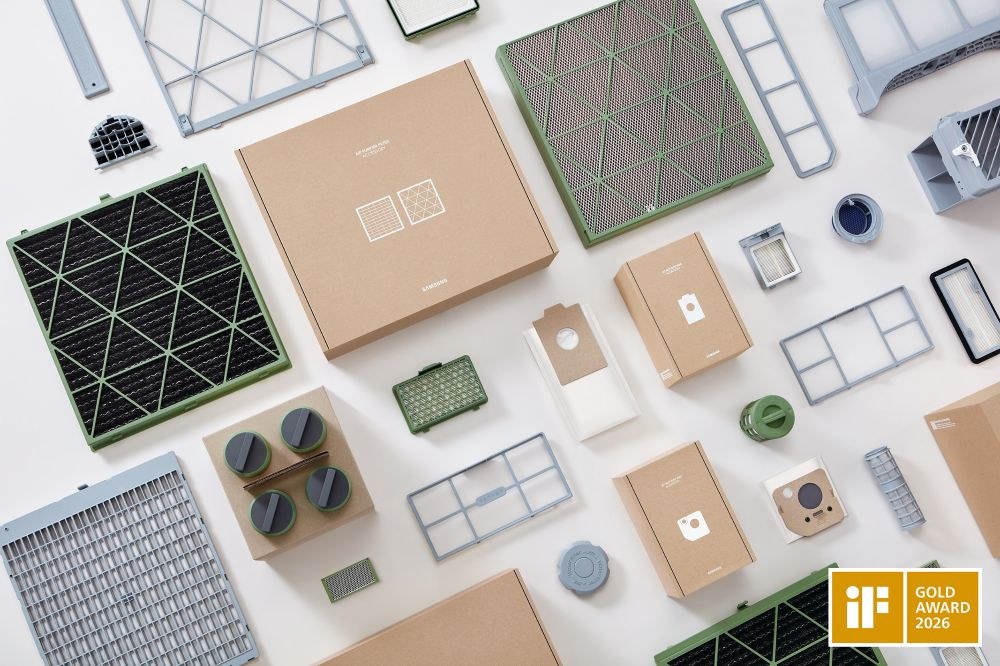
The awarded work demonstrates the breadth of the criteria. Samsung received 77 distinctions, suggesting how a large company can maintain a coherent experience through design governance across product lines. The Sigma BF camera won Gold for its unibody construction, minimal controls and restrained interface, showing that reduction can coexist with high performance. The ceremony also honoured Patricia Urquiola, recognising sustained practice across products, interiors and architecture rather than defining a designer through one hit product.
AURELIS Position
Awards cannot replace the market or real use, but a transparent framework can change the way an industry talks. When sustainability has a stated weight, design teams have stronger grounds to secure material, repair and circularity decisions at the beginning of a project instead of adding promises before launch. For companies and studios, the value of entering should extend beyond a badge: external review can test whether form, function, differentiation and responsibility truly arise from the same design logic.
Keywords
iF Design Award / Sustainability Criteria / Design Evaluation / Product Responsibility / Berlin