Abstract
Changes to the Verona Arena, Milan’s metro and mountain venues show that a genuine post-Games legacy should become an everyday urban capability.
Background
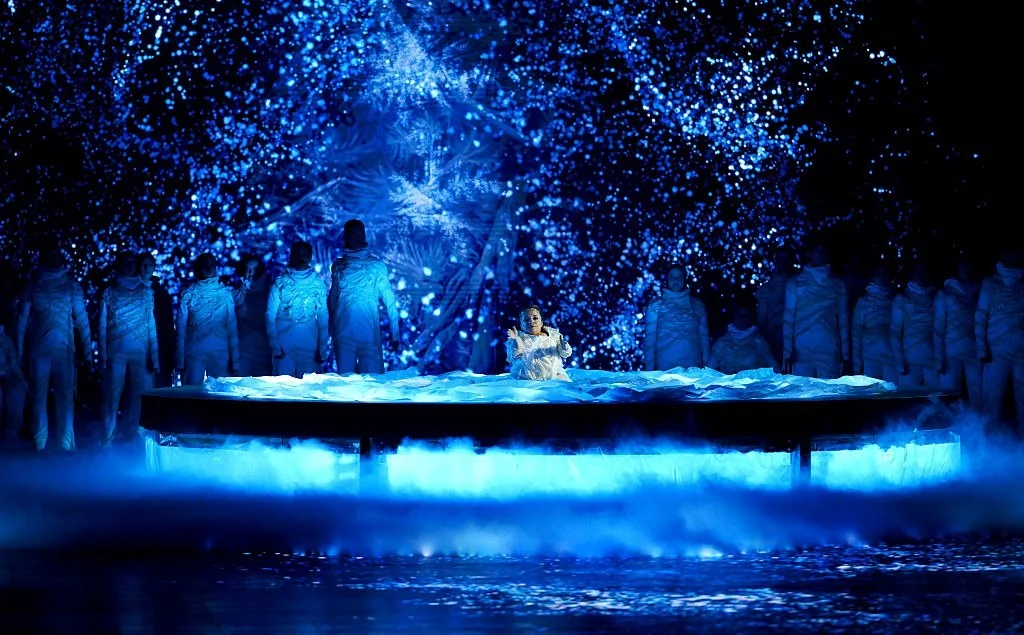
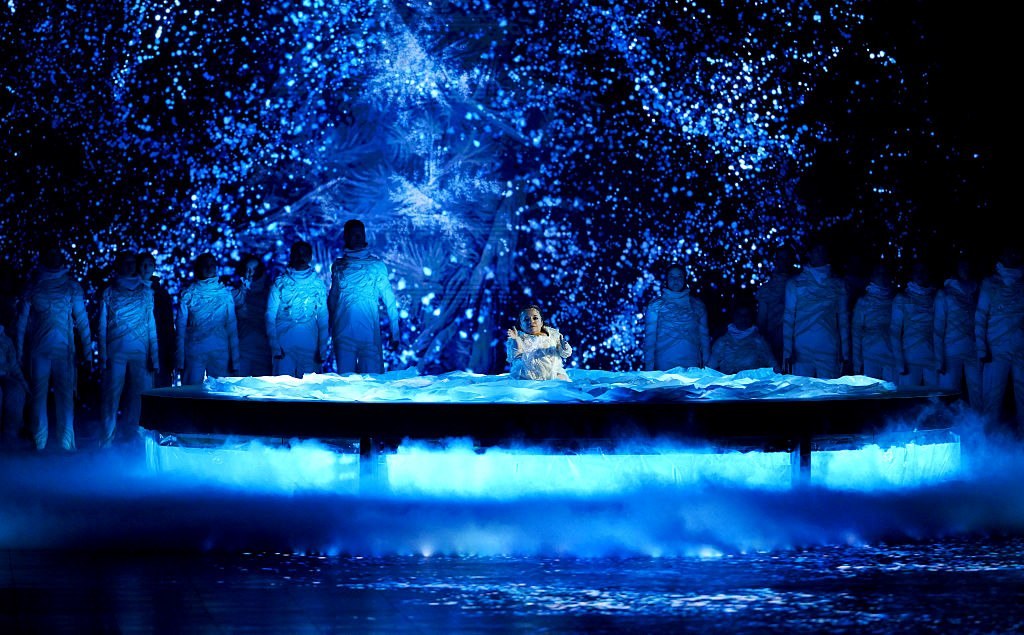
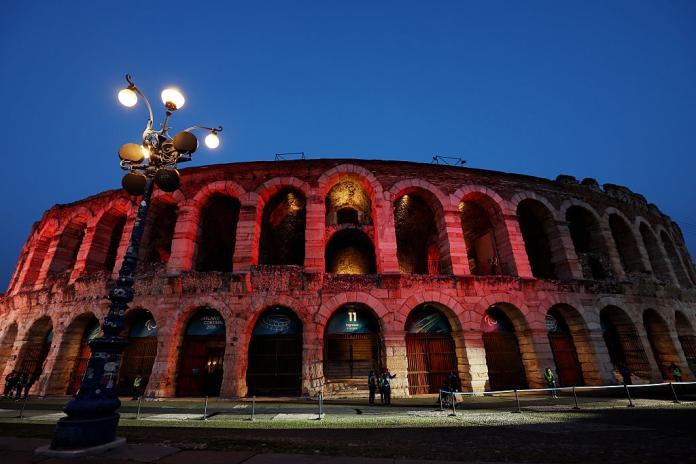
On 6 March, the Milano Cortina Winter Paralympics opened in the approximately two-thousand-year-old Verona Arena. The Games brought together 611 athletes and 55 delegations across six sports, five competition venues and 79 medal events. Titled “Life in Motion”, the opening ceremony used a central installation inspired by Leonardo-like mechanical imagination. Cauldrons in Milan and Cortina were lit simultaneously, visually acknowledging the event’s distribution across cities and mountain regions.
Design Analysis
The most important design achievement of the Games, however, was not confined to the stage. Official legacy reporting records about €20 million invested in routes and accessibility improvements in Verona and its arena, about €55 million used to upgrade 26 Milan metro stations, and accessibility work at historic venues in Cortina. Airports, transport nodes and the spectator journey were audited so that the complete path from arrival to taking a seat became the object of design.
These changes reveal the true scale of universal design. A ramp or accessible toilet is only one component. People also need continuous wayfinding, reliable lifts, enough transfer time, readable information and staff able to respond when circumstances change. Hardware, service and communication must work together; any break can disable the entire route. Accessibility cannot therefore be left to a compliance check at the end of a project, but must remain present through planning, procurement, operation and evaluation.
AURELIS Position
After the Games, these investments continue to serve commuters, older people, families with children and anyone with a temporary injury. Their value expands from special provision to general convenience. The lesson for urban renewal and major public events is direct: legacy should not be a stadium preserved as a monument, but an everyday network of access. The final test of inclusive design is whether those who need the most support can complete an ordinary journey independently and with dignity.
Keywords
Winter Paralympics / Accessibility / Universal Design / Urban Legacy / Mobility