
Abstract
The ceremony, museum exhibitions and Design Team of the Year form a long-term evaluation system in which award-winning products enter public comparison.
Background
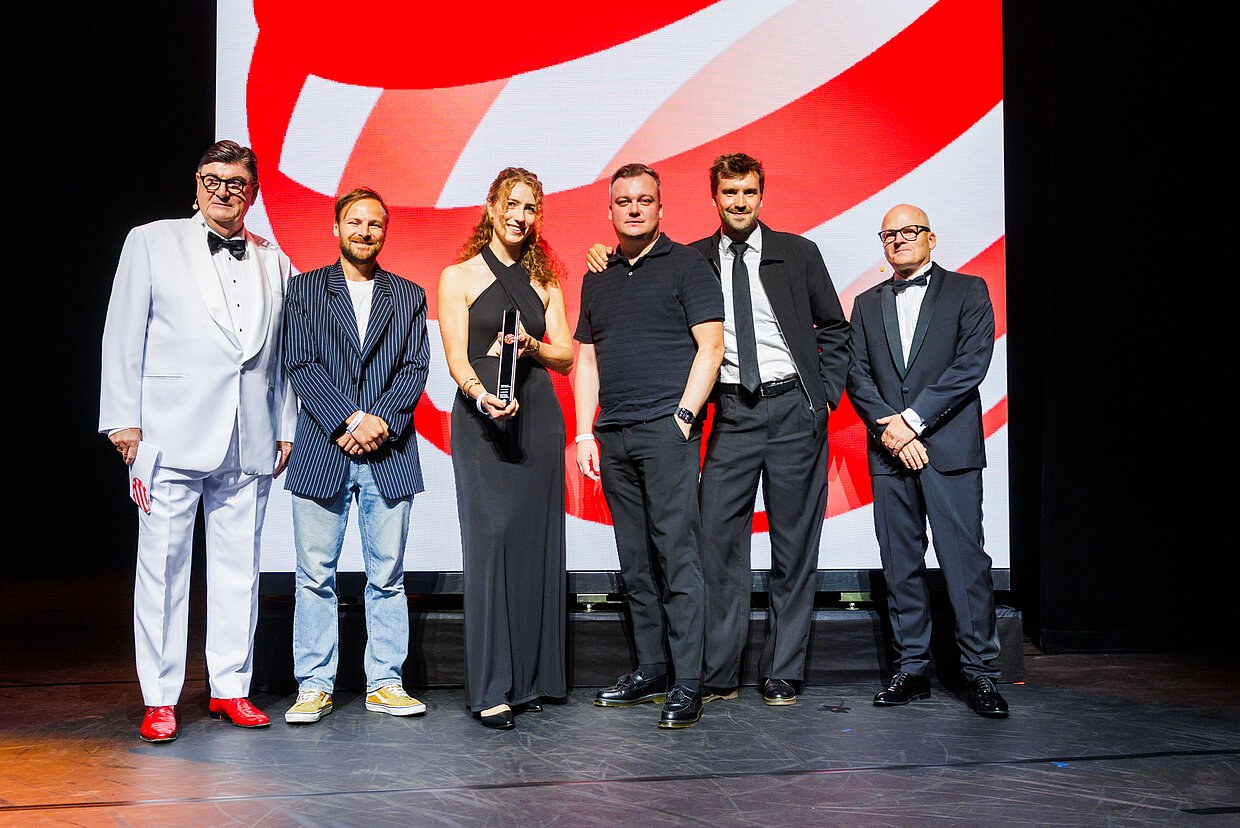
The Red Dot Award: Product Design ceremony was held at Essen’s Aalto Theatre on 7 July with guests from 39 countries. Epson’s design team was named 2026 Design Team of the Year, an honour for which organisations cannot apply themselves and which recognises the ability to sustain quality across years, categories and departments. After the ceremony, winning work entered the Red Dot Design Museum through “Design on Stage”, “Milestones” and an Epson exhibition, extending evaluation from one evening into long-term public display.

Design Analysis
Design Team of the Year changes the focus of an award. A single product can succeed because of a technological window or market opportunity; stable team capability requires research, engineering, interface, manufacturing, brand and after-sales work to operate together. Epson’s principle of “efficient, compact and precise” guides printing, projection, robotics and wearables. The example suggests that design language is expressed not only through similar appearances, but through the way a company allocates material, space and operational steps.
The museum adds a necessary public test to the award system. Visitors can compare the scale, detail and interaction of different categories in one environment rather than relying entirely on advertising. Curation also places annual products within design history and social questions, showing how technology responds to energy, ageing, productivity and changing ways of life. The trophy is therefore only an entry point; the lasting value is a set of tangible examples that can be discussed and re-evaluated by later audiences.
AURELIS Position
For companies, the signal is clear: design competition is moving from making one attractive product to building an organisation capable of producing reliable products repeatedly. Design teams must enter research and development earlier and continue to observe repair, energy use and feedback after launch. Industry media and associations should likewise go beyond lists of winners to examine the processes and standards behind them. Only when recognition is translated into learnable capability can an international award advance the profession.
Keywords
Red Dot / Design Team / Product Design / Organisational Capability / Design Museum