Abstract
Completed after curator Koyo Kouoh’s death, the exhibition answers fatigue with grand narratives through restraint, listening and a plurality of voices.
Background
The 61st International Art Exhibition of La Biennale di Venezia opened on 9 May under the title “In Minor Keys” and runs until 22 November. Curator Koyo Kouoh died during the preparation of the exhibition; the Biennale team completed it according to the theoretical framework, artist list, visual identity and spatial plan she had established. That decision made the exhibition itself a practice of authorship, care and collective responsibility.
Design Analysis
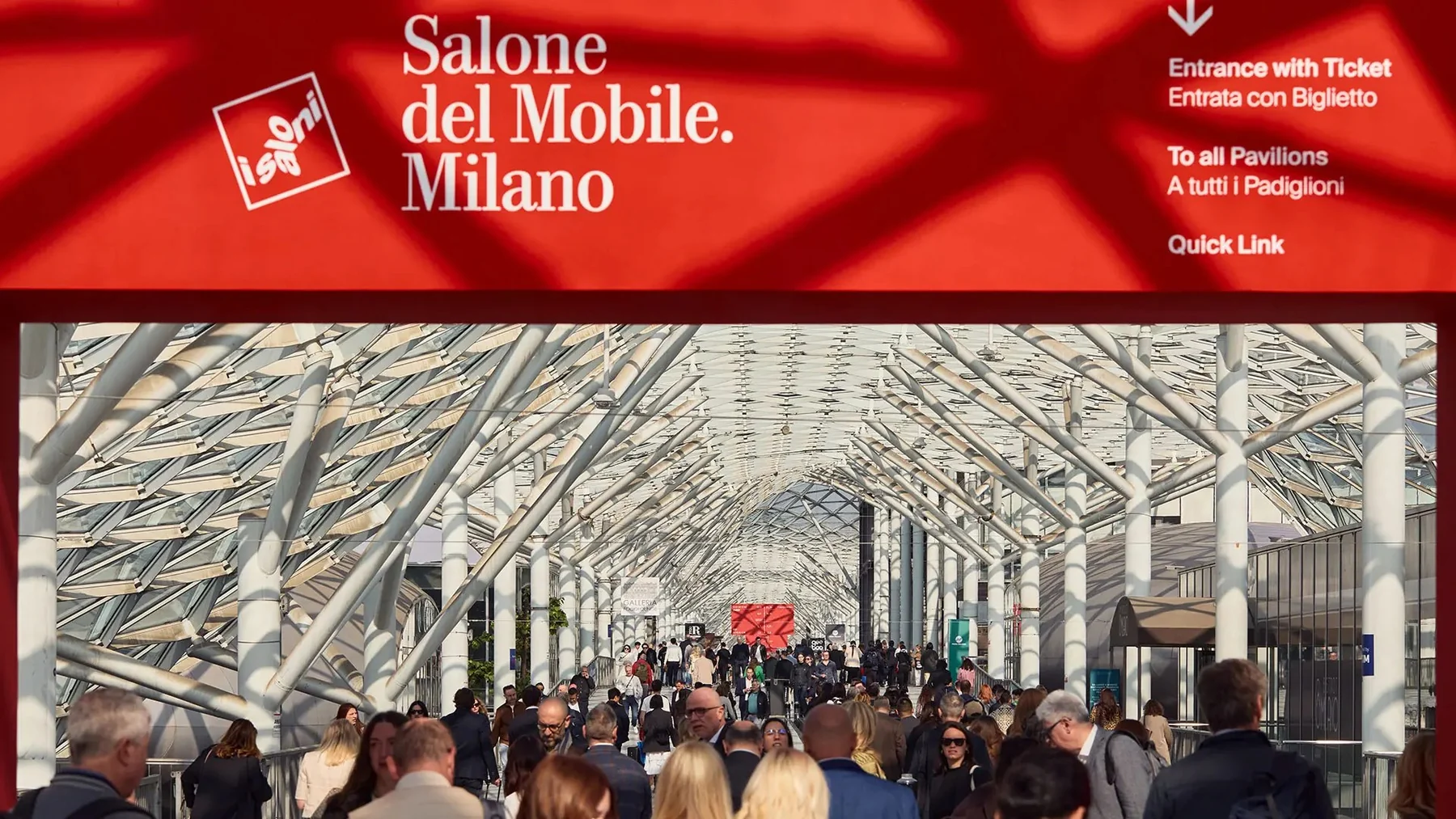
A minor key does not reduce the intensity of a subject; it changes the posture of attention. The exhibition avoids a single slogan capable of subsuming complex realities and instead follows connections among sound, body, memory, migration and environment that grand narratives often miss. Works unfold across the Giardini, Arsenale and Forte Marghera, with spatial design allowing room to pause, return and move at different speeds. Graphics and wayfinding support visitors through multiple threads without overpowering the art.
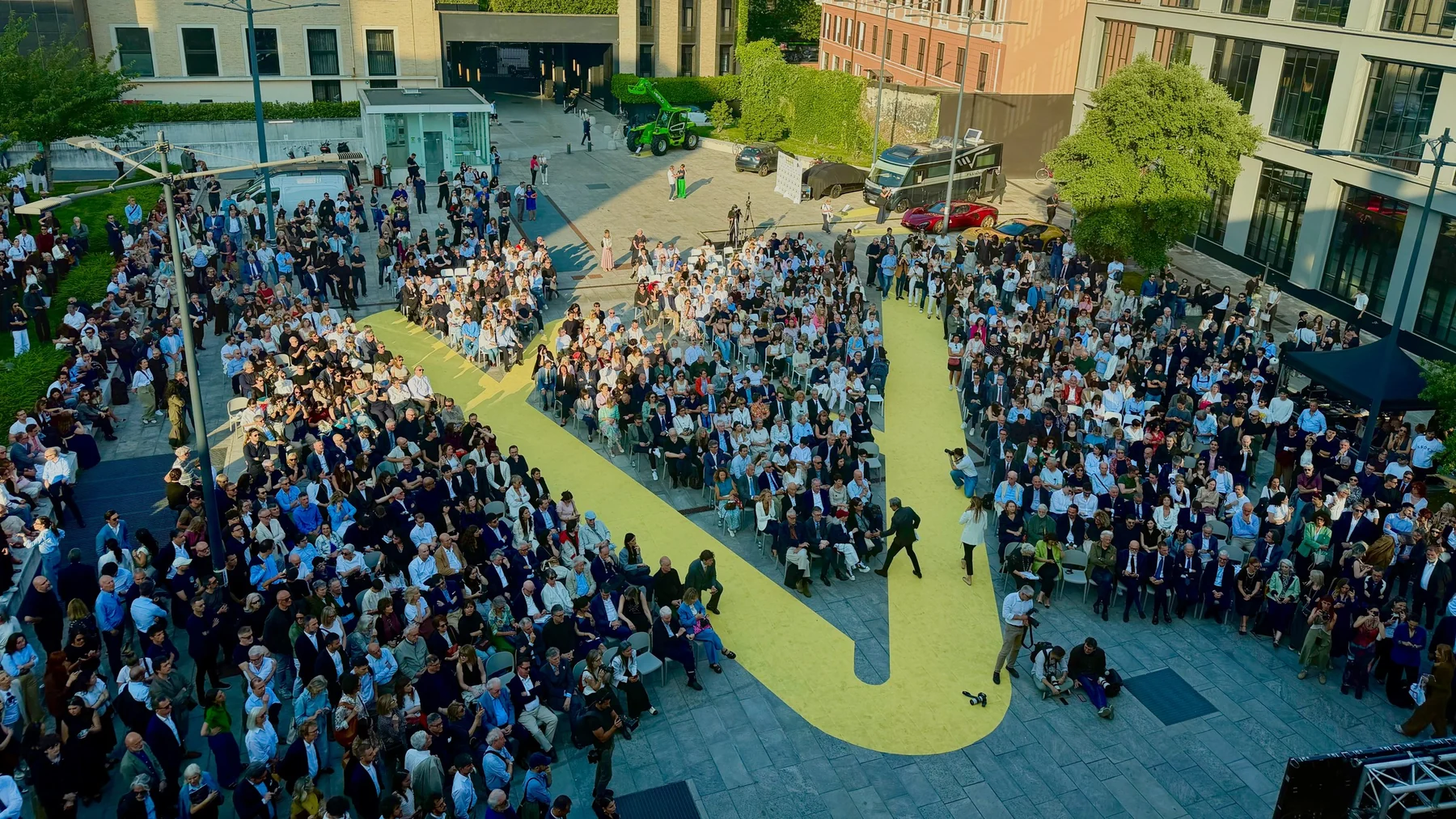
One hundred countries and regions participate, alongside 31 collateral events, with seven countries appearing for the first time. About ten thousand visitors attended on opening day, ten per cent more than in 2024. National pavilions including those of Italy, Austria and Mexico address land, identity, labour and community in different ways, showing that the traditional pavilion structure can still accommodate self-questioning. Visitors encounter not a tidy common answer, but local experiences that rub against and supplement one another.
AURELIS Position
For design, the Biennale matters not only for its art but for the way it organises attention. As exhibition density and visitor numbers rise, curating, spatial design, signage and places to rest jointly determine whether people can genuinely look. “In Minor Keys” reminds designers that expression does not always require greater volume. White space, a slower pace and the admission of ambiguity can also create public influence. Restraint is not withdrawal; in an age of overload it rebuilds the conditions for feeling and judgement.
Keywords
Venice Biennale / In Minor Keys / Exhibition Design / Attention / Koyo Kouoh